Skip to content
1.Will My Artificial Turf Match If I Order in Two Batches?
This is one of the most common questions buyers ask before placing a repeat order.
Many customers wonder:
“If I place two separate turf orders, will they look exactly the same?”
Concerns about color shade, texture, or density are valid — after all, even a subtle difference can affect the appearance of your field or gym.
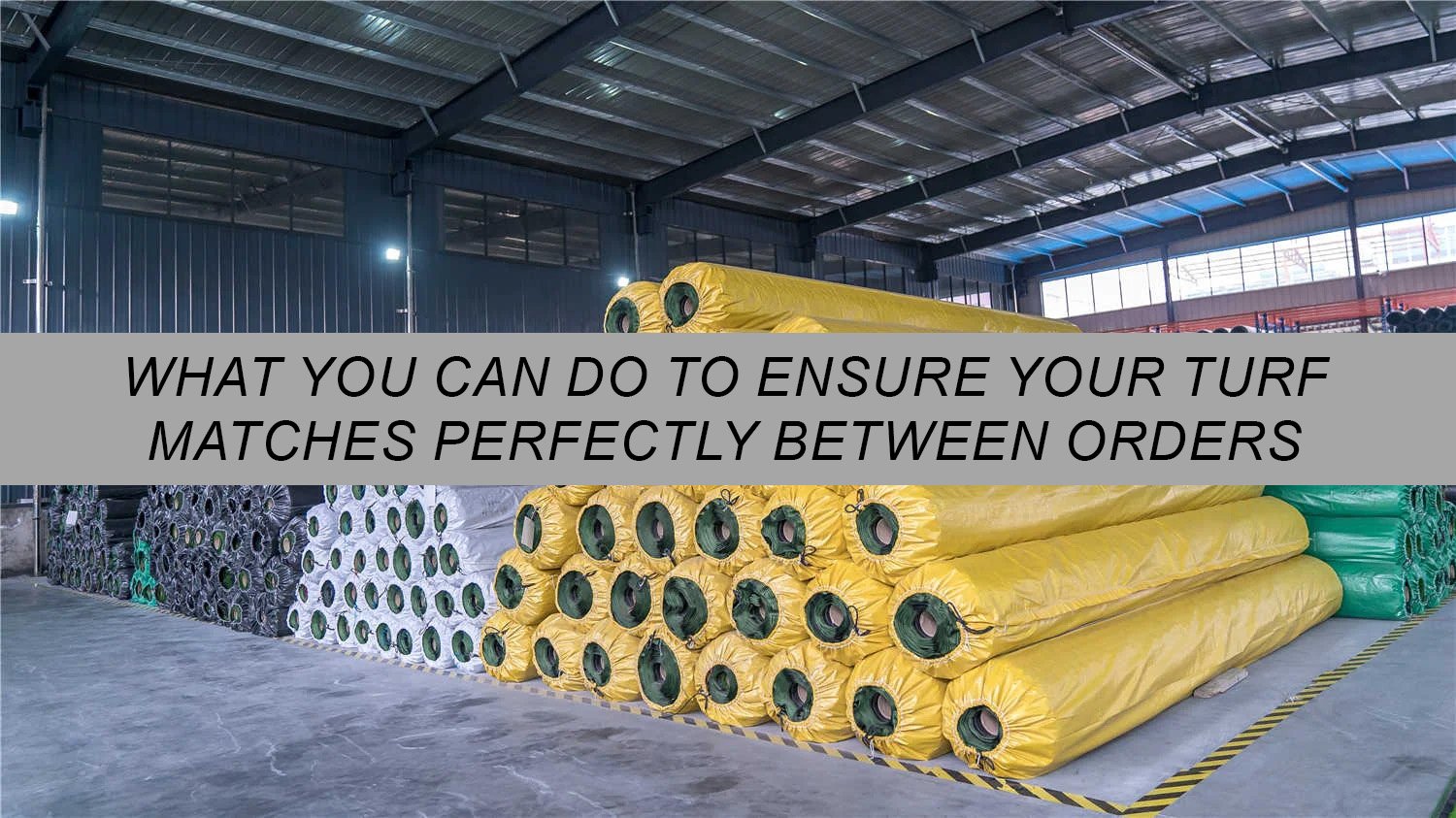
In this article, we’ll explain why batch differences happen, how professional manufacturers maintain consistency, and what you can do to ensure your turf matches perfectly between orders.

2.Why Turf May Differ Between Two Orders
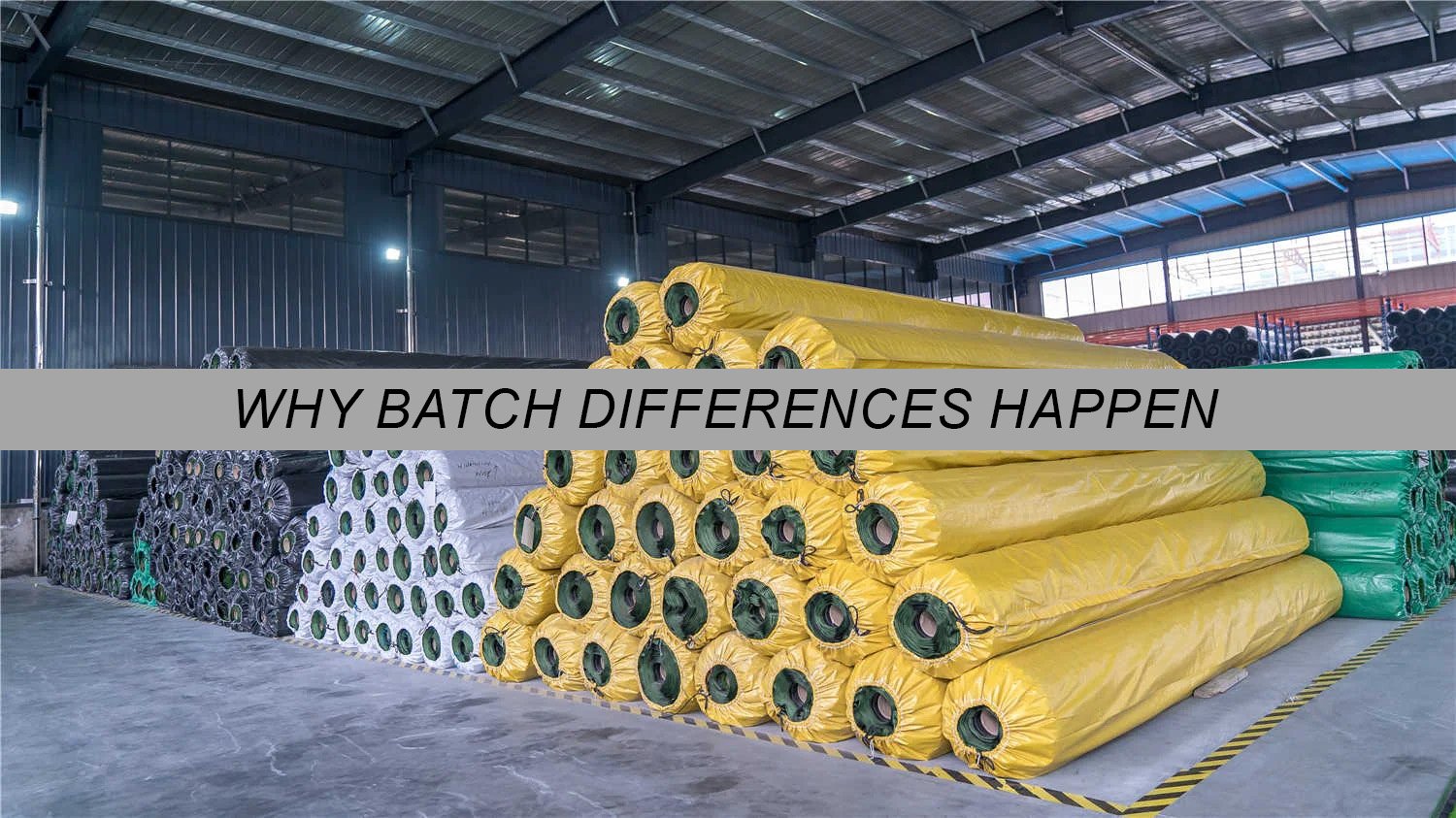
Even when you order the same model, production variables can cause small but visible differences between batches. Let’s break down why:
(1)Raw Material Variation


Different production lots of PE or PP polymers and color masterbatches can slightly vary in tone or brightness.
(2)Fiber Production Settings
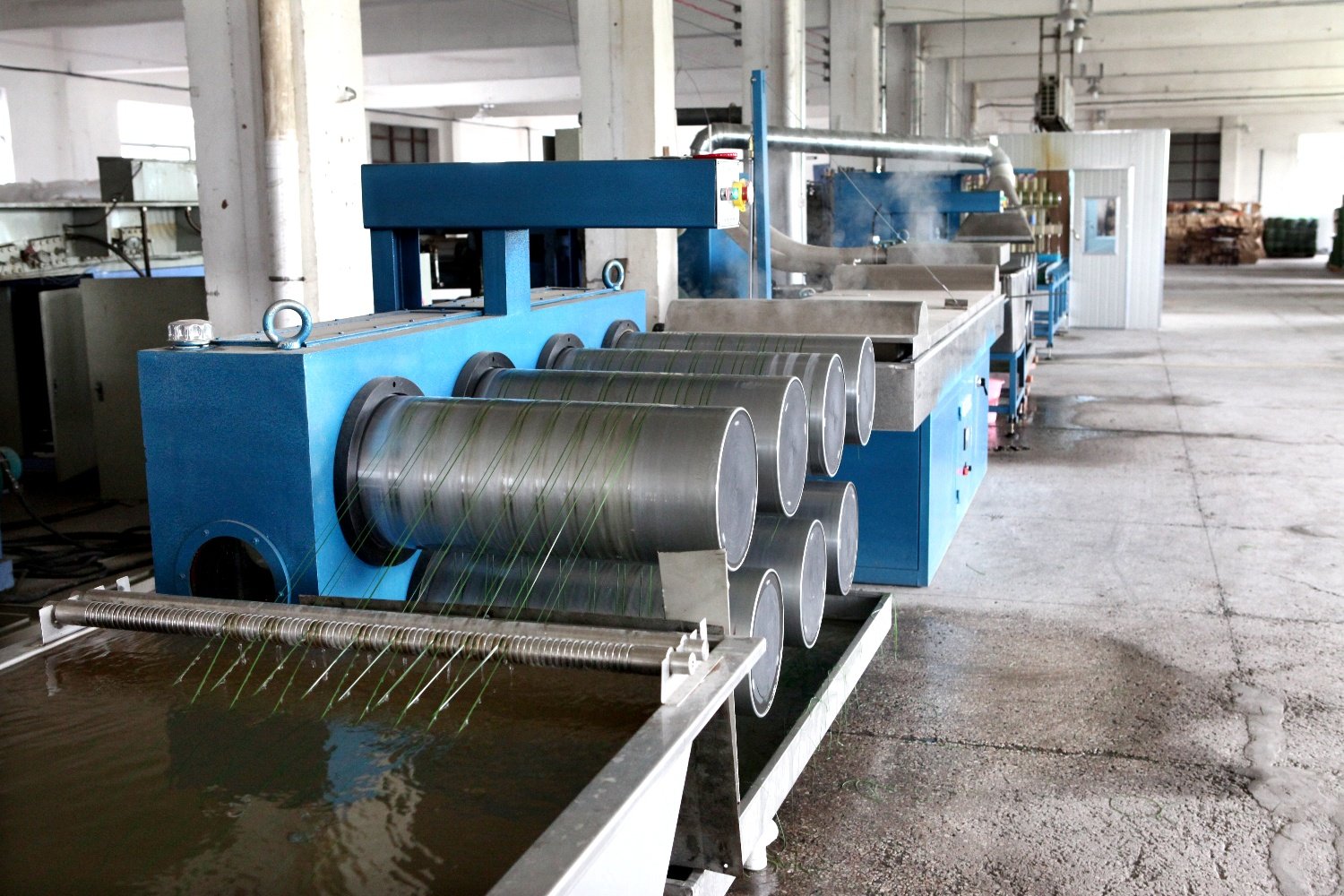
Machine calibration — including tufting speed, stitch rate, or extrusion temperature — can subtly influence fiber thickness and reflection.
(3)Dyeing and Pigment Mixing
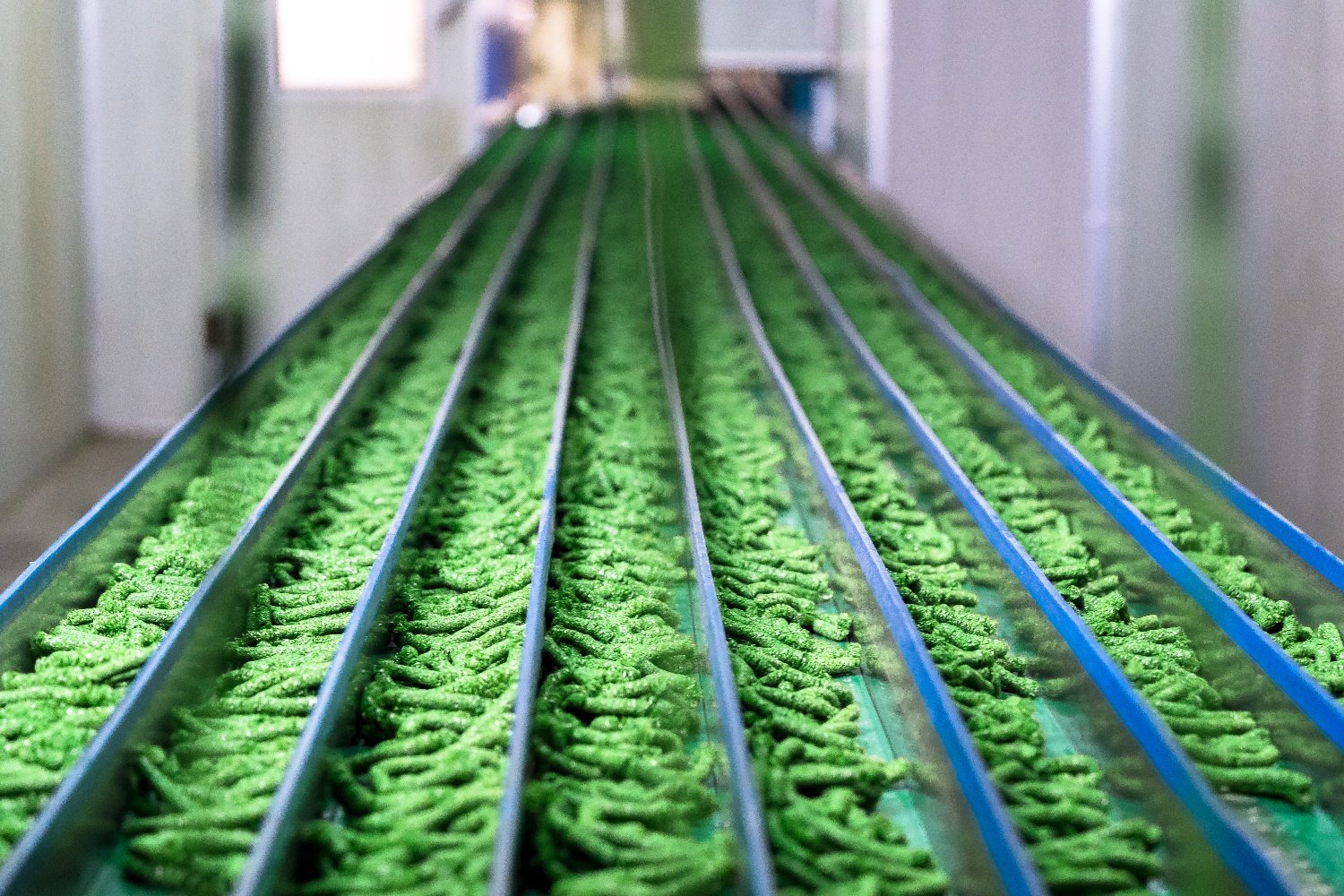
A minimal difference in pigment ratio or drying temperature can result in a 1–3% color deviation, noticeable under direct sunlight.
3.What Is Turf Batch Consistency?
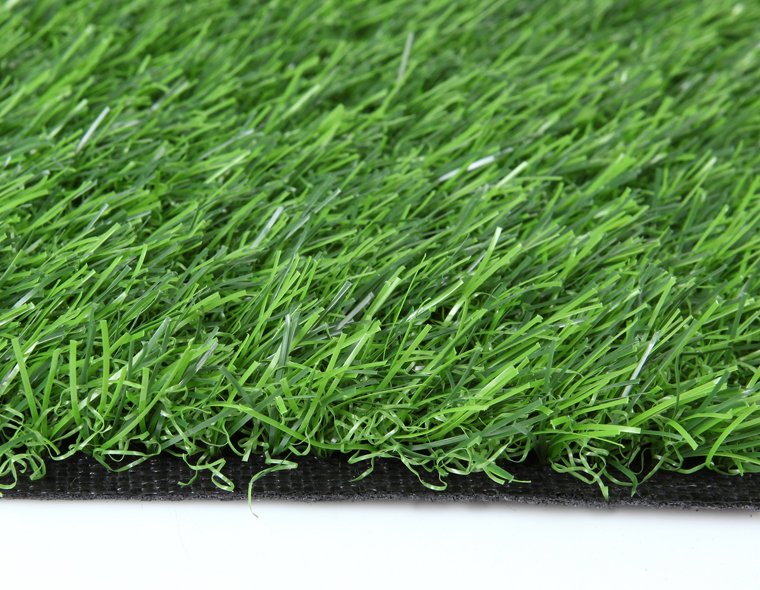


Batch consistency means that all rolls from the same production run share identical color, fiber specification, backing, and density.
Each turf batch is assigned a unique Batch Code with stored data for:
- Production date and line
- Yarn supplier and Dtex
- Backing type and glue ratio
- Color test results
In the artificial turf industry, consistent batches typically maintain:
- Color difference (ΔE) ≤ 1.0
- Weight variation ≤ 3%
- Fiber Dtex tolerance ≤ 1%
4.Common Mismatching Scenarios When Ordering Twice
Ordering in two separate batches doesn’t always cause visible issues, but several mismatching situations can occur:
- Color Difference – Small shade variation becomes obvious in bright lighting or outdoor settings.
- Gloss and Texture Change – Older turf can slightly fade or lose surface shine compared to new rolls.
- Fiber Direction Discrepancy – Different tuft angles make seams appear uneven.
- Visible Seams – Variations in backing tension or pile direction can create uneven joins.
5.How Professional Manufacturers Ensure Perfect Matching
A reliable turf supplier minimizes batch variation through strict process control and documentation. Here’s how:
(1)Unified Raw Material Management
All batches use the same supplier and masterbatch formula to keep color tone consistent.
(2)Standardized Machine Calibration
Each production line follows fixed settings for temperature, stitch rate, and extrusion pressure, eliminating operator bias.
(3)Sample Retention System
Factories retain a physical sample and digital record for every batch, allowing exact reproduction for re-orders.
(4)Color Testing and Spectrophotometer Checks
A spectrophotometer measures color deviation (ΔE value) to ensure all new rolls fall within acceptable tolerance limits.
6.Buyer Tips to Avoid Mismatch Between Two Orders
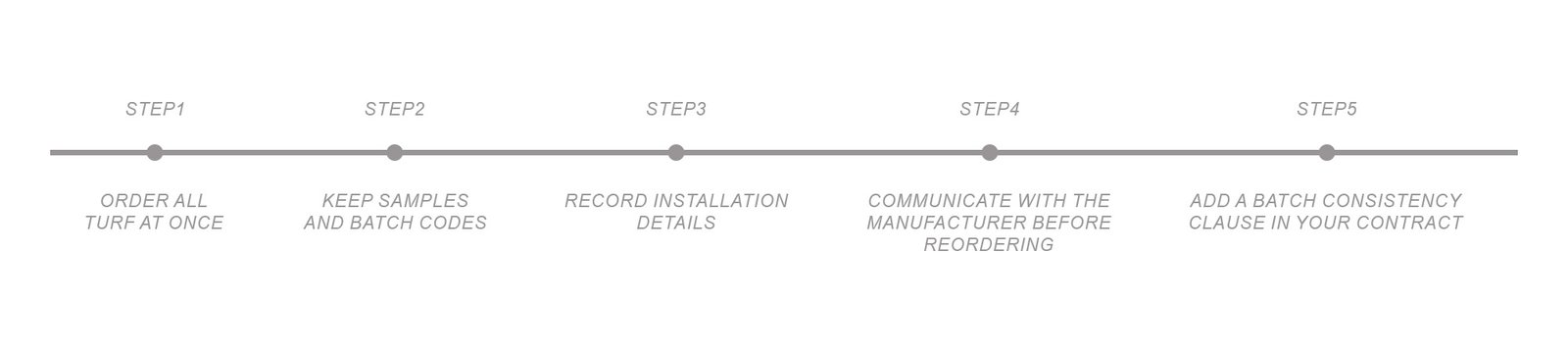
Even with advanced production control, buyers can take a few extra steps to guarantee perfect results:
(1)Order All Turf at Once
If possible, place one large order to avoid cross-batch issues. Always purchase an extra 5–10% as backup.
(2)Keep Samples and Batch Codes
Retain a physical turf swatch and note the batch code for future orders.
(3)Record Installation Details
Take photos of the original installation, noting light direction and pile alignment.
(4)Communicate with the Manufacturer Before Reordering
Ask whether the same batch materials can be reused or matched in production.
(5)Add a Batch Consistency Clause in Your Contract
Specify acceptable color tolerance (ΔE ≤ 1.0) to protect your order consistency.
7.Conclusion: Consistency Comes from Communication and Quality Control
Ordering artificial turf in two batches doesn’t have to be risky — as long as your supplier follows strict batch tracking and material management standards.
Professional factories like YEEGRASS maintain complete documentation for every batch, including yarn data, color reports, and retained samples.
This ensures that even if you reorder months later, your new turf will seamlessly match the first installation.