Skip to content

As functional training gains global popularity, artificial turf for gyms has become a staple in modern training facilities. Whether it’s used for HYROX, CrossFit, HIIT, or sled-based workouts, more and more fitness centers are choosing professional-grade gym turf for their training zones.
However, customers often have important questions when it comes to selecting, using, or maintaining gym turf. In this guide, we answer the 10 most common questions asked by gym owners, coaches, and facility designers—helping you make informed flooring decisions.
1. What types of training is gym turf suitable for?
Gym turf is designed for high-intensity, multi-directional workouts such as:


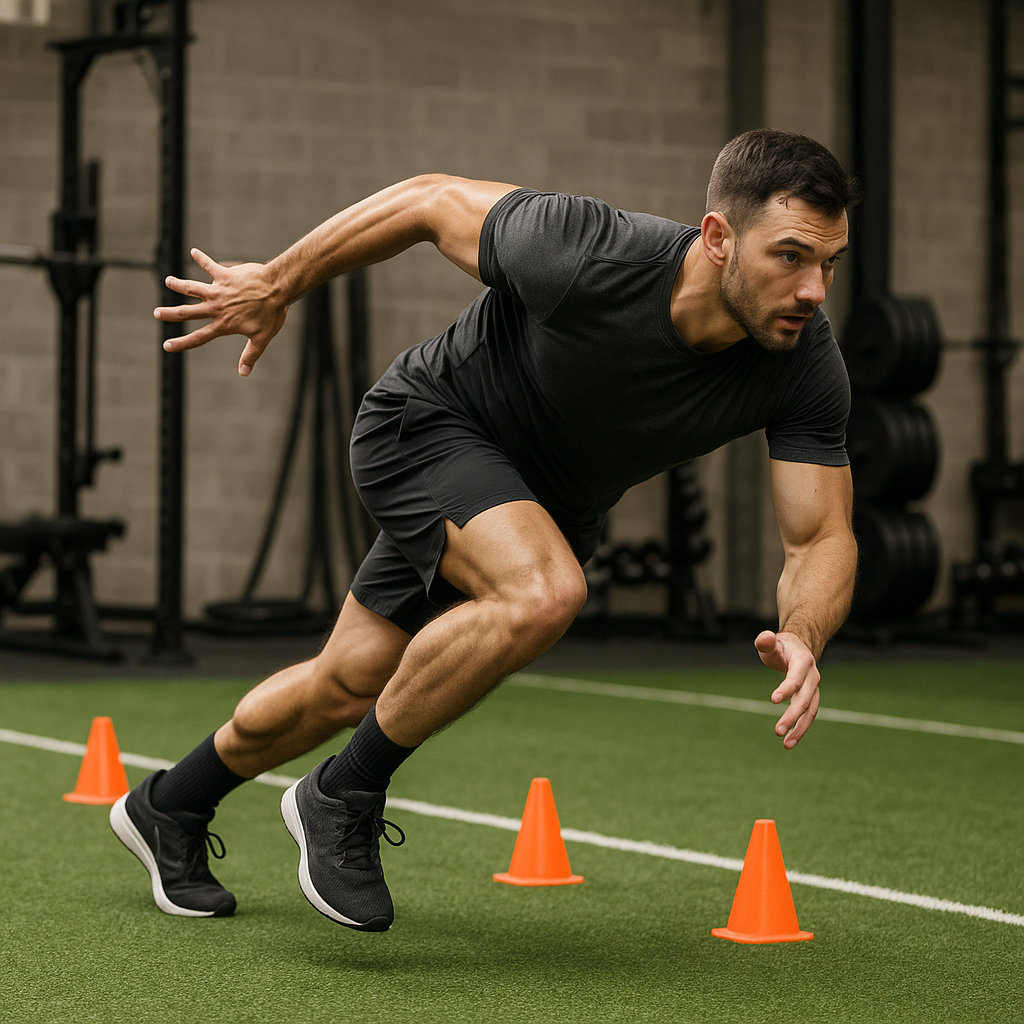
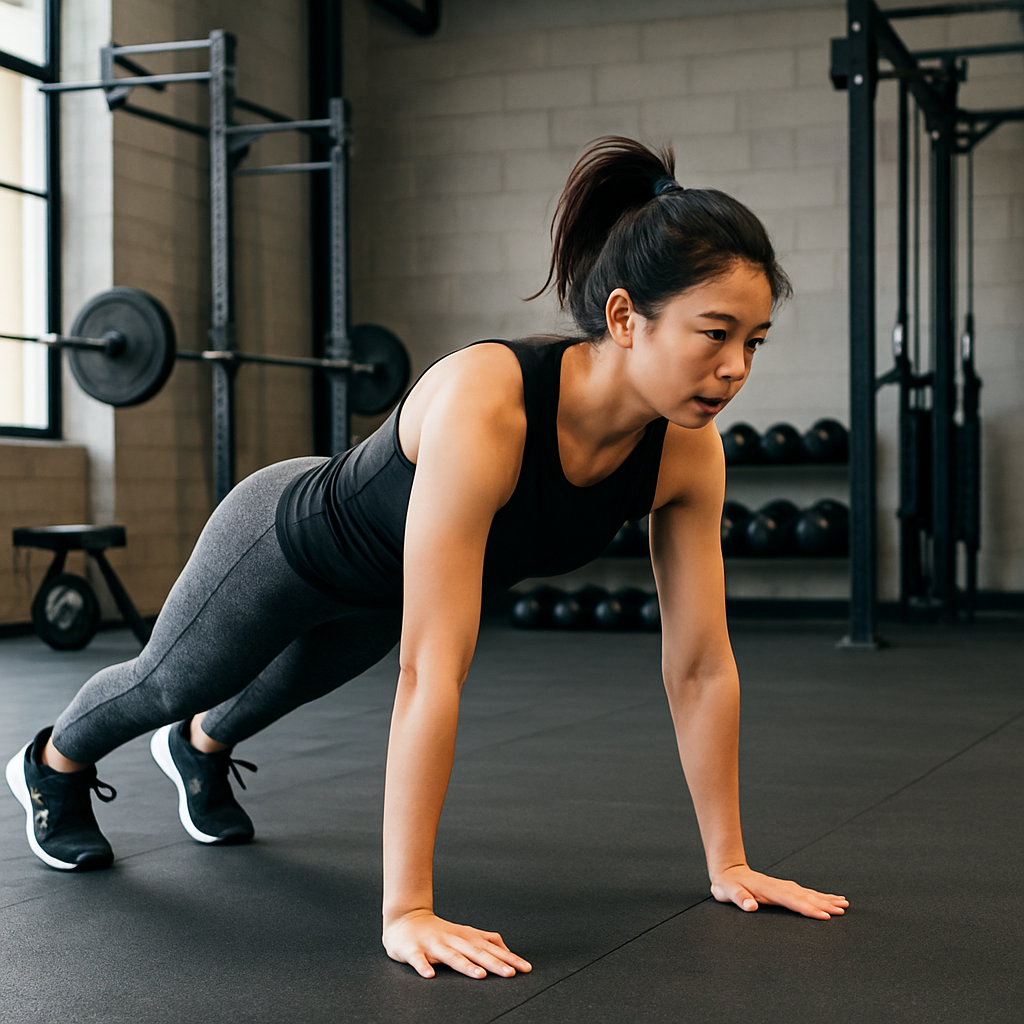
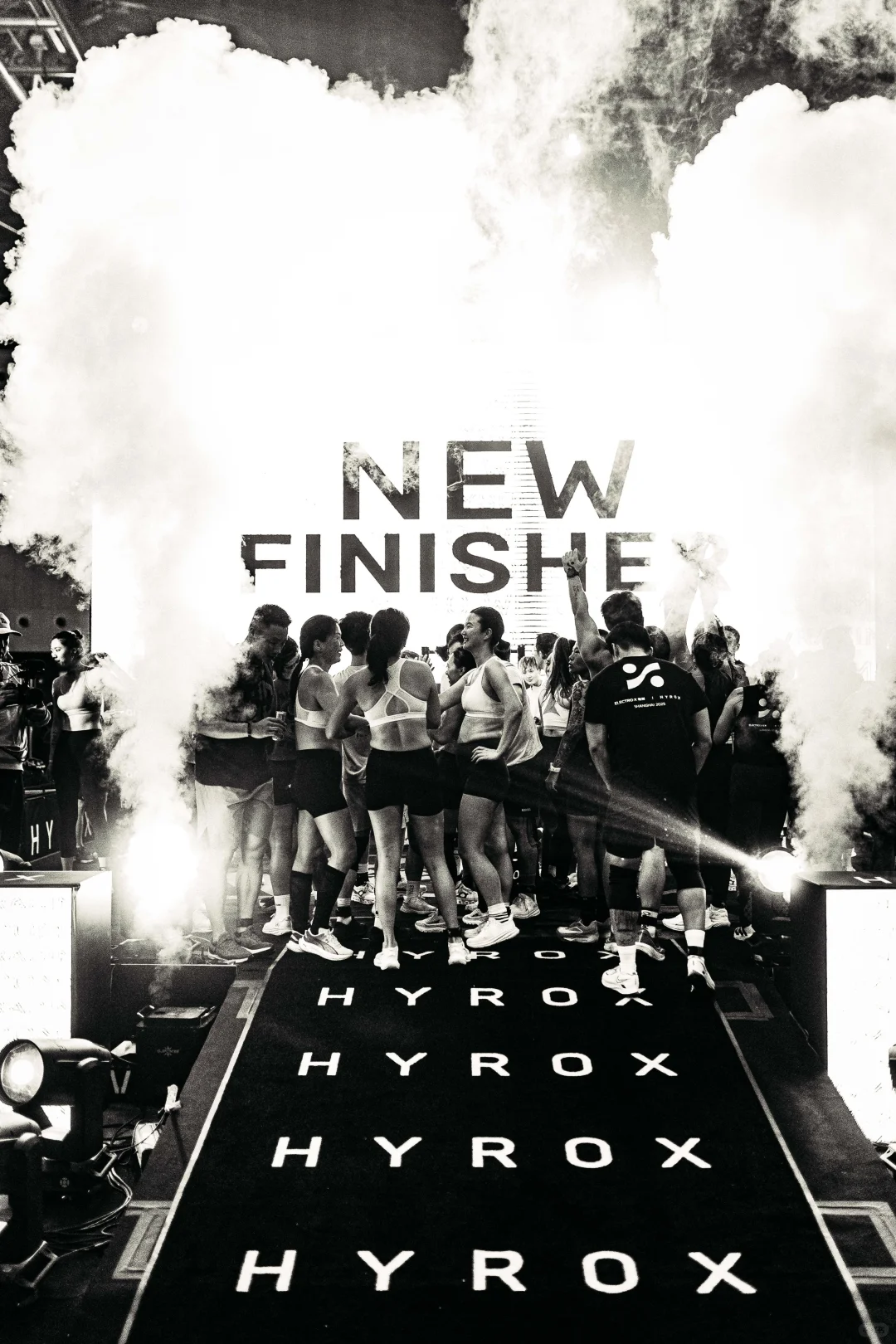
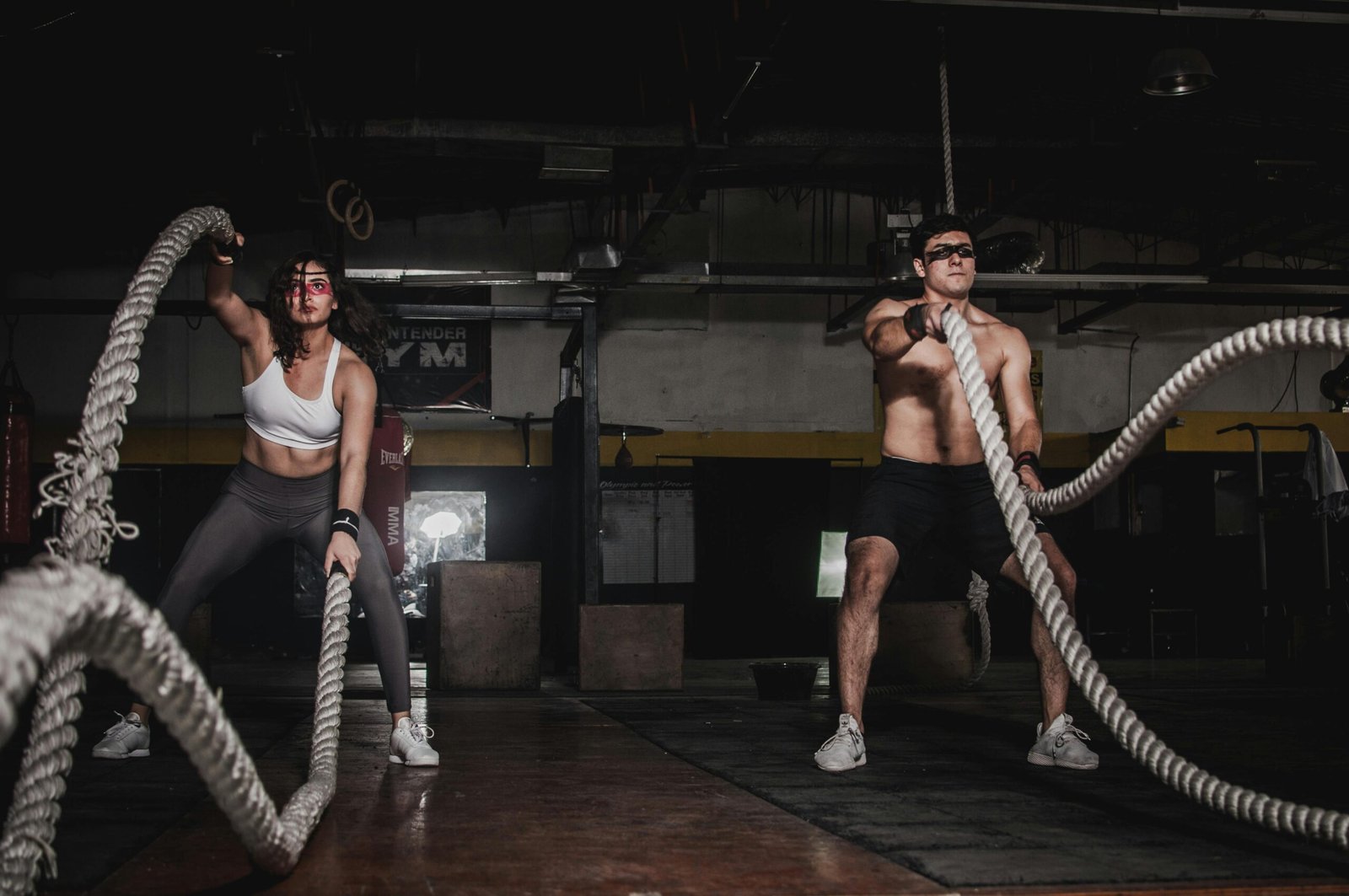

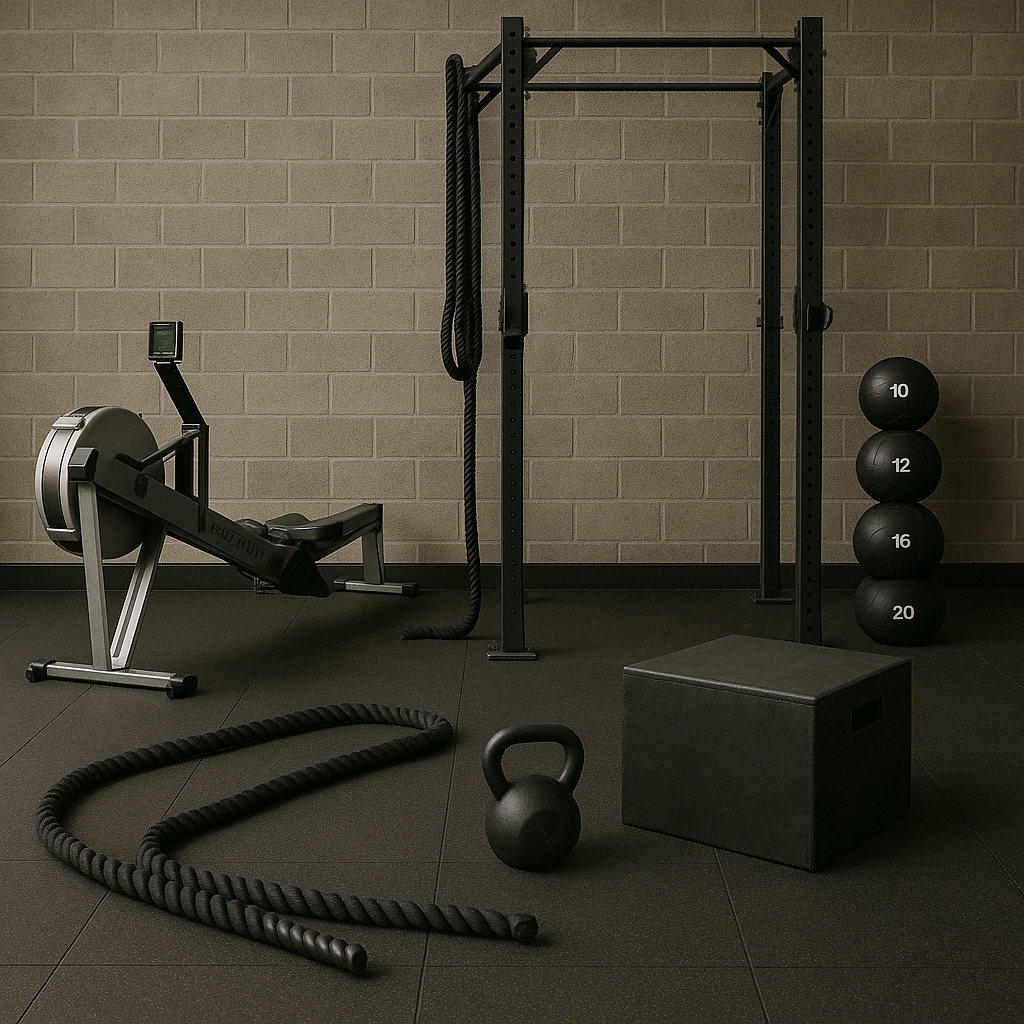
It offers superior traction, moderate cushioning, and impact support—ideal for protecting joints while enhancing performance.
2. Can gym turf handle sled training?

Absolutely. High-quality gym turf is perfect for sled push/pull workouts. Made with dense polyethylene (PE) or polypropylene (PP) fibers and reinforced backing, it provides just the right amount of resistance without damaging the floor underneath.
We recommend turf with 12–16mm pile height, strong fiber density, and a durable SBR or PU backing for optimal sled performance.
3. What is the ideal turf thickness and pile height for a gym?
The best turf height depends on your intended use:
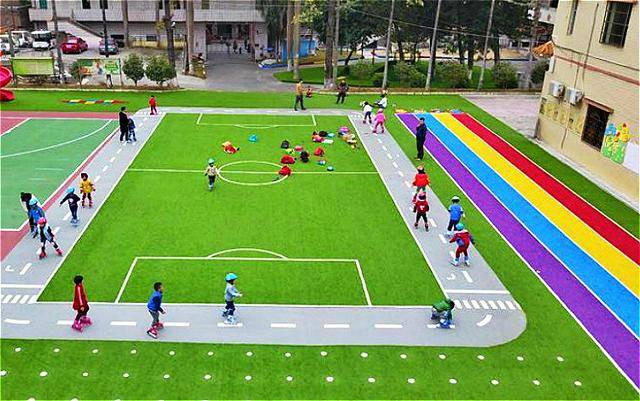
- 12–16mm – Ideal for sled lanes, CrossFit, and HYROX-style training
- 18–20mm – Suitable for multi-purpose zones needing more comfort
- Above 20mm – Better for visual appeal or low-impact zones (not recommended for heavy equipment)
Shorter pile height = better performance for high-intensity movements.
4. Can gym turf be customized with colors, logos, or lines?
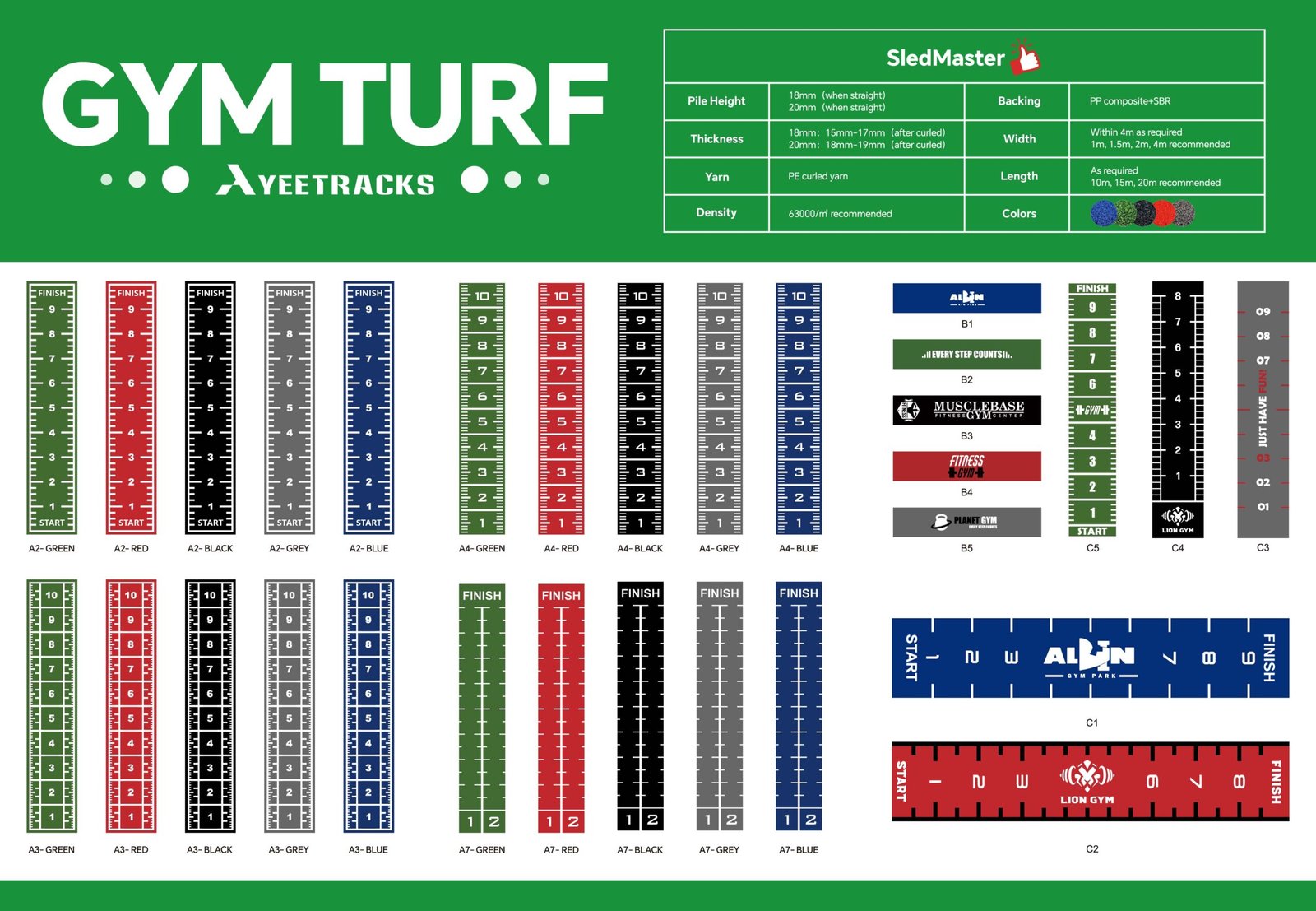
Yes. Professional turf suppliers can provide:
- Custom colors (green, black, gray, blue, etc.)
- Lines and markings for sprint lanes, distances, or agility drills
- Brand logos via printing or woven design
This improves both brand identity and functional layout within the training space.
5. Is gym turf anti-slip?
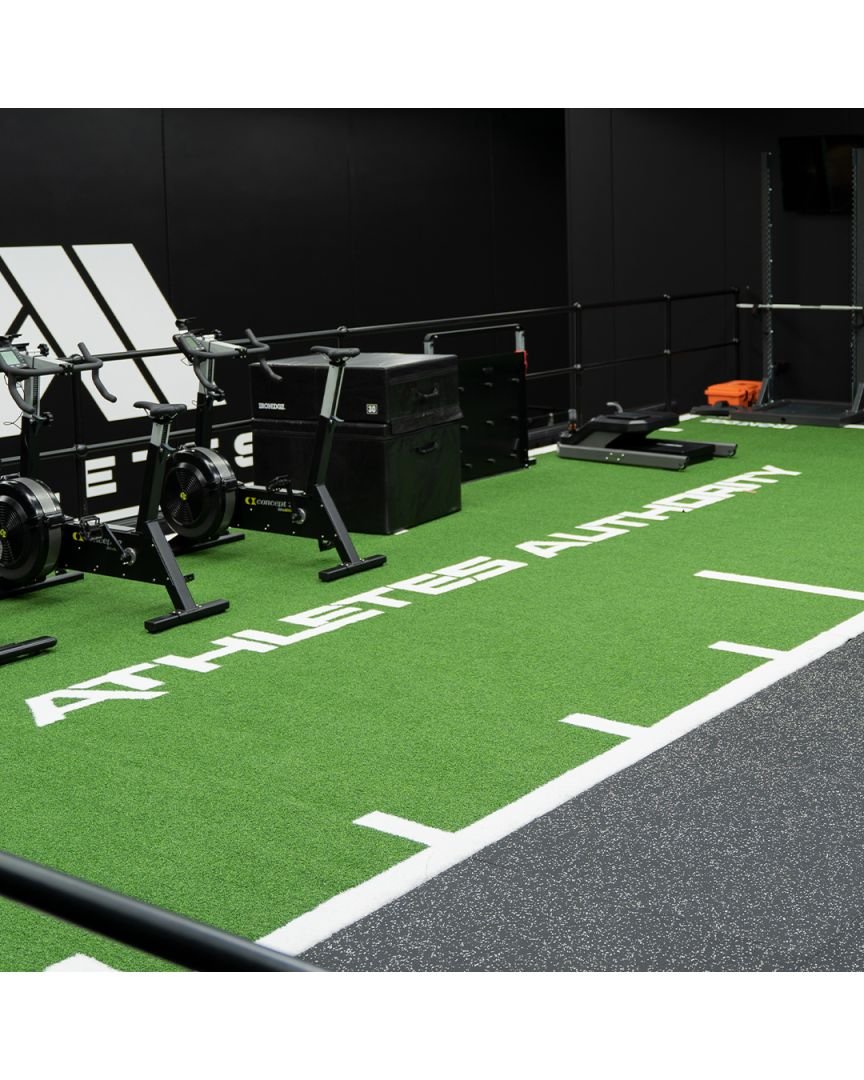
High-quality turf offers excellent anti-slip performance, even under sweat or intense movement. However, installation plays a critical role in safety. If the turf isn’t properly fixed to the subfloor, it can shift—so professional installation is recommended.
6. How long does gym turf last? When should it be replaced?
Under regular use (up to 8 hours per day), quality gym turf typically lasts 3 to 8 years. You should consider replacement if:
- The fibers are worn, frayed, or matted
- The backing starts to peel or lift at the edges
- Traction or comfort noticeably decreases
Routine maintenance and proper use can significantly extend lifespan.
7. How do you clean and sanitize gym turf?
Here’s a simple cleaning routine:
- Daily: Sweep or vacuum debris and dust
- Weekly: Mop or hose down with water
- Monthly: Use neutral detergent or disinfectant for deep cleaning
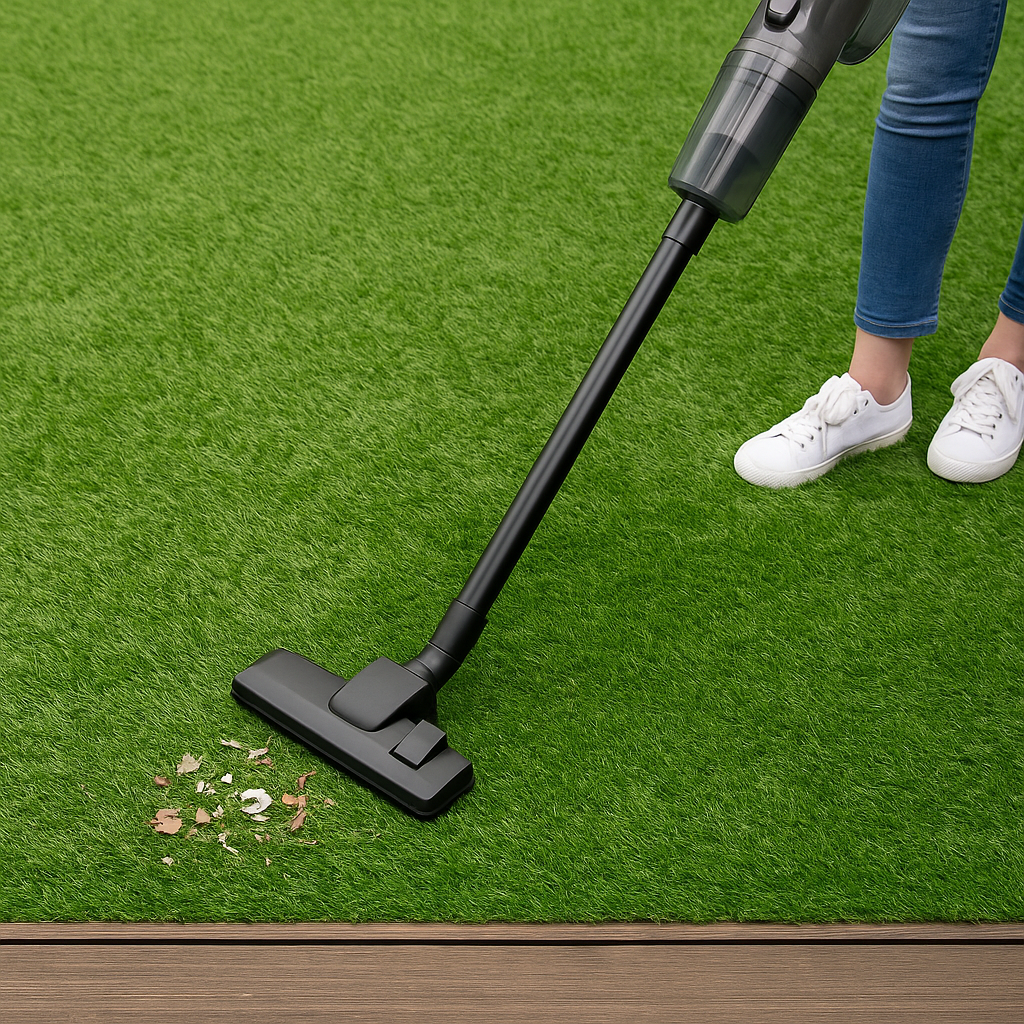


For high-traffic zones, consider using odor-control sprays or ozone treatment systems.
8. Is gym turf installation complicated? Do I need professionals?
While some smaller rolls can be installed DIY, professional installation is strongly recommended, especially for commercial gyms. Common installation methods:
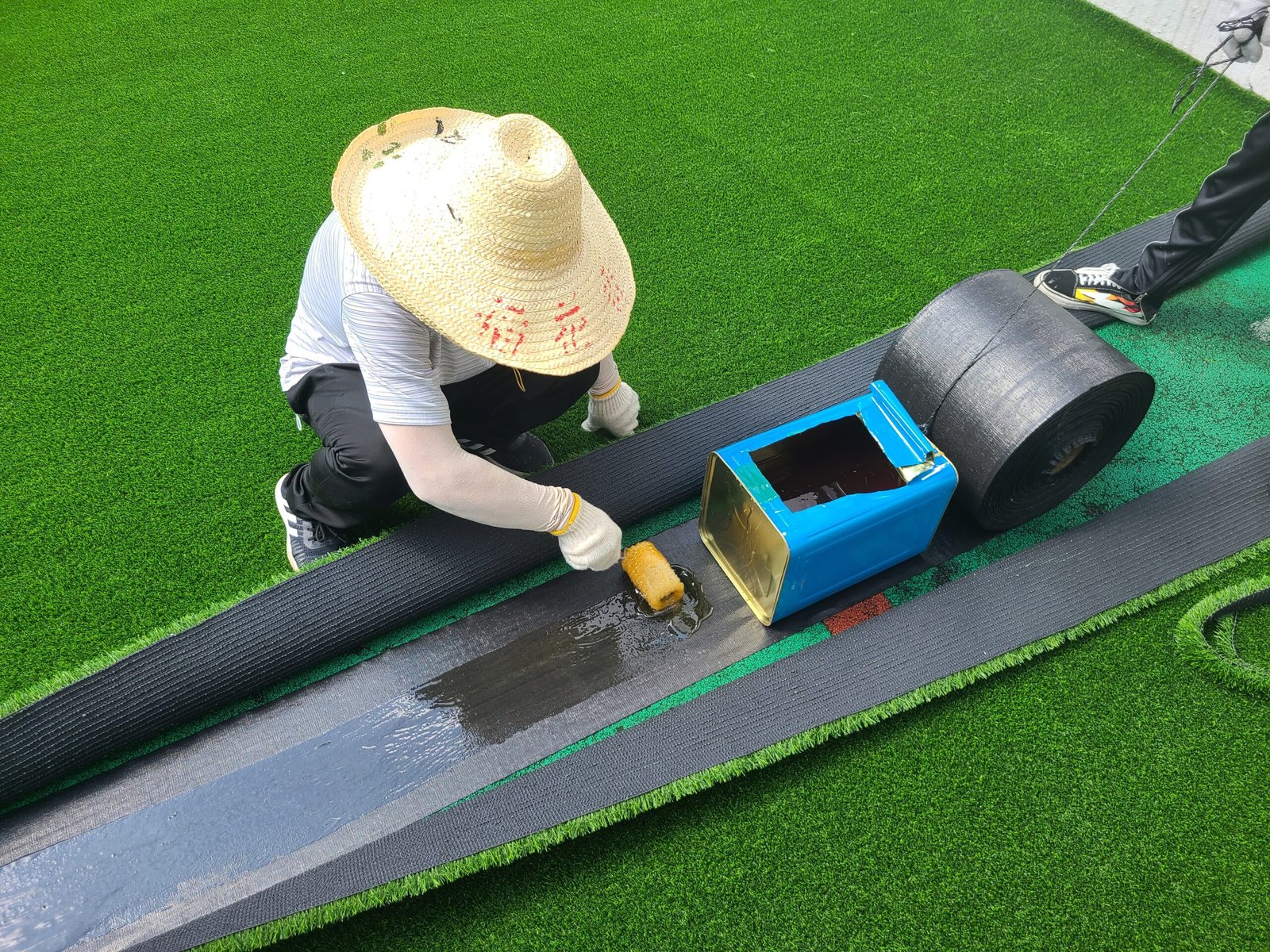
- Glue-down – Permanent and secure, ideal for sled zones
- Loose-lay with trim edges – Temporary setups for portable studios
- Integrated layouts – Seamlessly combined with rubber flooring for advanced facilities
A flat, clean, dry subfloor is essential for long-term performance.
9. Can fitness grass be placed outdoors? Does it need moisture protection?
Yes, gym turf can be used outdoors — but it must be designed for outdoor durability. For exterior applications, choose turf with UV stabilization to prevent fading and fiber breakdown, and opt for high-density PE or nylon fibers that can withstand constant sun exposure, rain, and heavy training use. The backing should ideally be PU or a perforated drainage system to allow quick water runoff and avoid pooling. With the right specifications and proper maintenance, outdoor gym turf can maintain its performance and appearance for years.
10. How much does gym turf cost? What affects pricing?
Pricing is typically calculated per square meter, and depends on:
- Turf material (PE, PP, or nylon) and density
- Pile height (e.g., 12mm, 16mm)
- Type of backing (SBR, PU, eco-friendly options)
- Customization: logos, lines, color
- Whether it includes installation, shipping, edge trims, etc.
In general, gym turf ranges from $10 to $40+ per m², depending on specifications.
11.Conclusion: A Smarter Surface for Smarter Training
Gym turf isn’t just flooring—it’s part of your performance system. By understanding the most common concerns around turf usage, you’re better equipped to choose the right product for your training space.
Whether you’re managing a commercial gym, designing a boutique studio, or planning a HYROX track—selecting the right turf is an investment in safety, performance, and brand image.
Contact us today for a free sample, tailored recommendations, or full installation support.