Skip to content

1.Introduction
HYROX is one of the fastest-growing functional fitness competitions worldwide, combining endurance running with eight workout stations. Among them, the sled push and sled pull are the most demanding challenges—not only for athletes but also for the flooring.
Choosing the right HYROX turf is crucial for ensuring safety, durability, and performance in both HYROX competitions and training gyms. In this article, we break down 5 key selection factors to help you choose the best artificial turf sled lane for training and events.
2. Turf Fiber Material: The Foundation of Durability & Friction
The sled push and pull require turf that offers the right balance of friction—neither too slippery nor too sticky.


- PE (Polyethylene): Soft touch, highly durable, ideal for heavy-use sled lanes. A top choice for HYROX artificial grass installations.
- PP (Polypropylene): Cost-effective option, suitable for budget gyms, though less durable than PE.
👉 Recommendation: For long-term use and competition-standard gyms, PE turf is the best sled push turf due to its durability and comfort.
3. Turf Density and Dtex: Performance & Longevity

- Density: Higher density turf withstands repeated sled pushes and sprints, resisting matting and flattening.
- Dtex: Refers to fiber thickness. A higher Dtex ensures stronger fibers and more friction, ideal for high-intensity sled movements.
- For HYROX training flooring, a medium-to-high density with suitable Dtex ensures consistent resistance and performance during sled push/pull workouts.
4. Backing Material: PU vs TPR vs Latex
The backing determines the stability and lifespan of the turf.


- PU Backing: Strong, durable, and weather-resistant—commonly used in premium gym turf for HYROX.
- TPR Backing: Eco-friendly and recyclable, perfect for sustainable functional training turf.
- Latex Backing: Economical option, suitable for entry-level gyms or temporary HYROX training zones.
👉 For competition-ready HYROX sled lanes, PU and TPR backings provide the best balance of durability and performance.
5. Durability and Impact Resistance
HYROX movements like sled pushes, pulls, and sprints put extreme pressure on the turf. Therefore, durability is a must.

- Abrasion Resistance (e.g., Taber test): Ensures fibers do not break under repeated sled contact.
- Tensile Strength & Resilience: Prevents turf fibers from flattening and ensures quick recovery after heavy use.
- Lifespan: Commercial gym turf lasts around 3–5 years, while custom HYROX turf with PU or TPR backing can last 5–8 years.
This makes high-density functional training turf a smart long-term investment for gyms.
6. Customization and Branding Value
HYROX competitions are known for their black and yellow turf design, creating strong visual recognition. Gyms can leverage custom HYROX turf to boost brand presence:
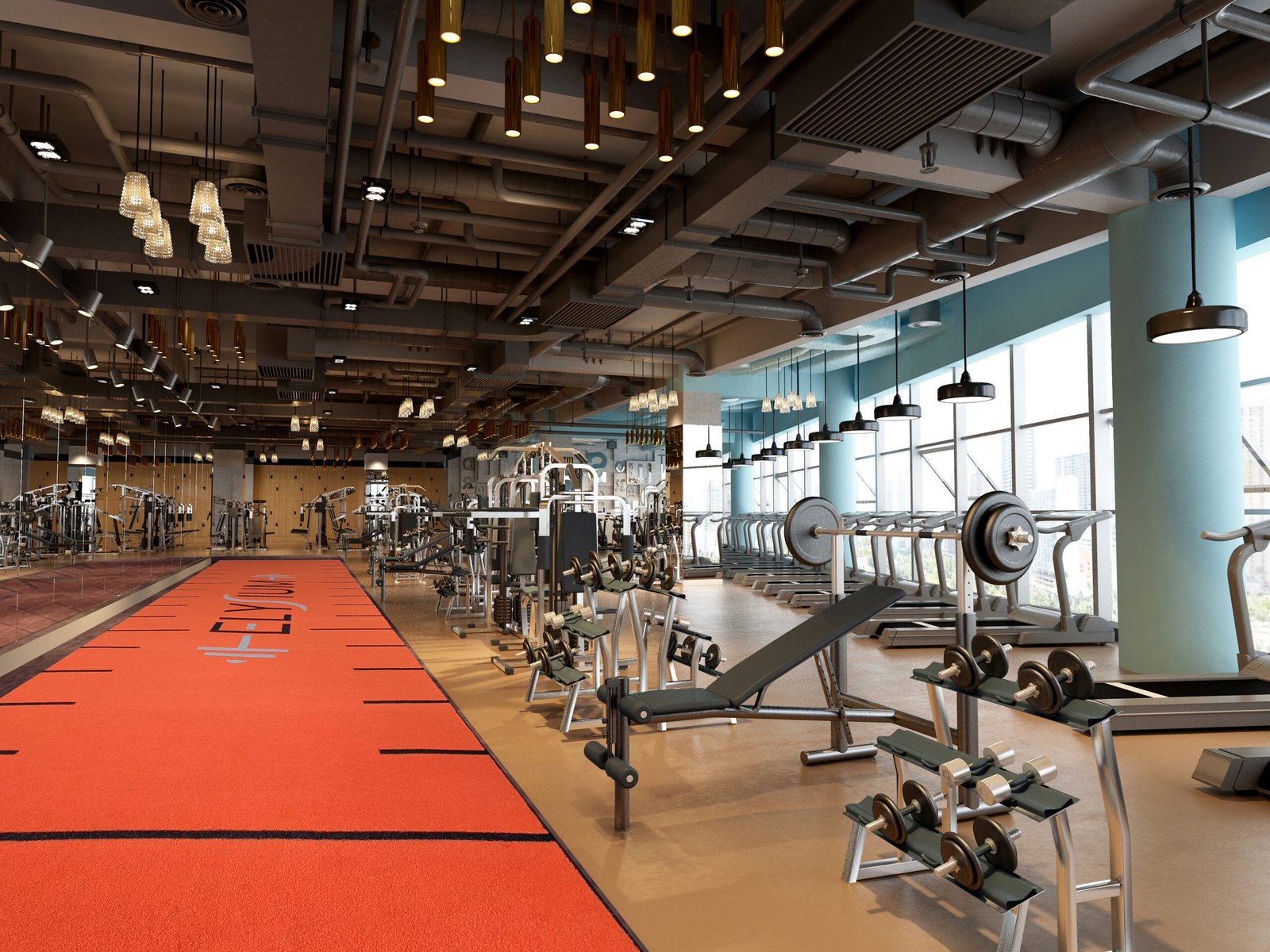
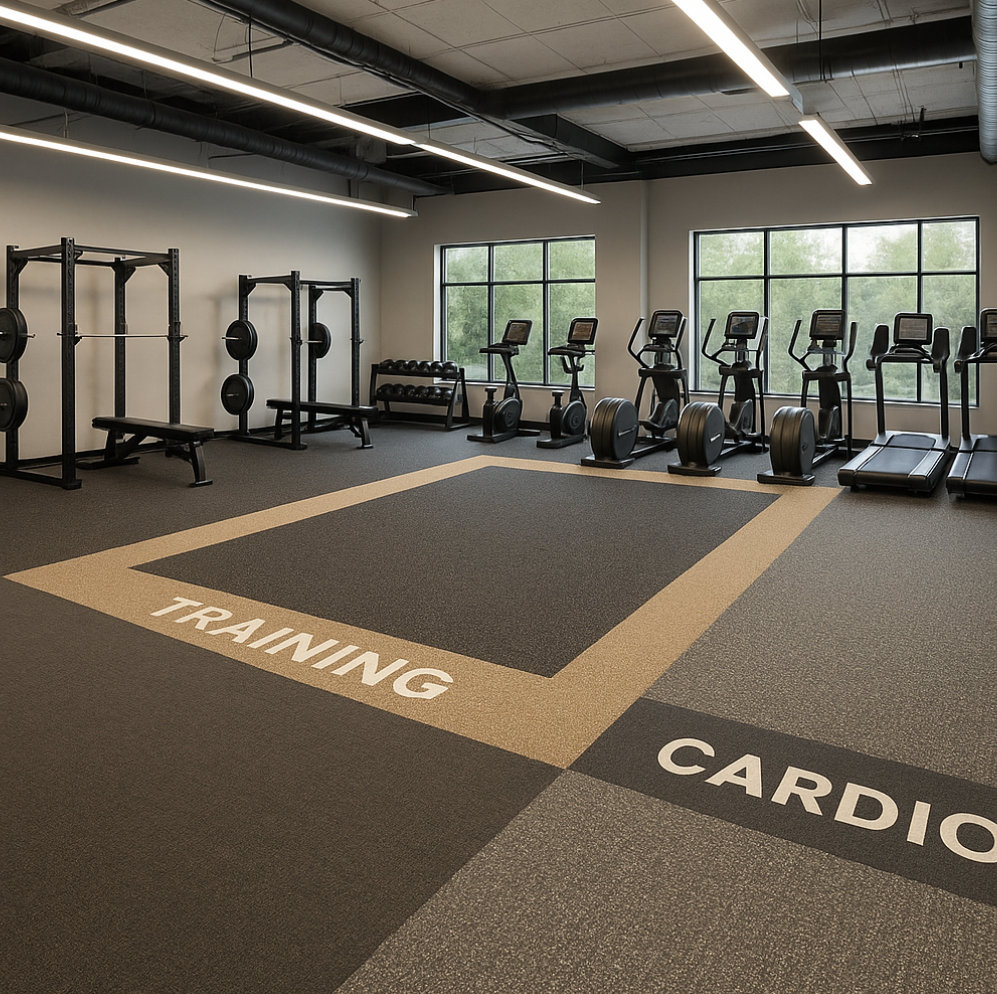
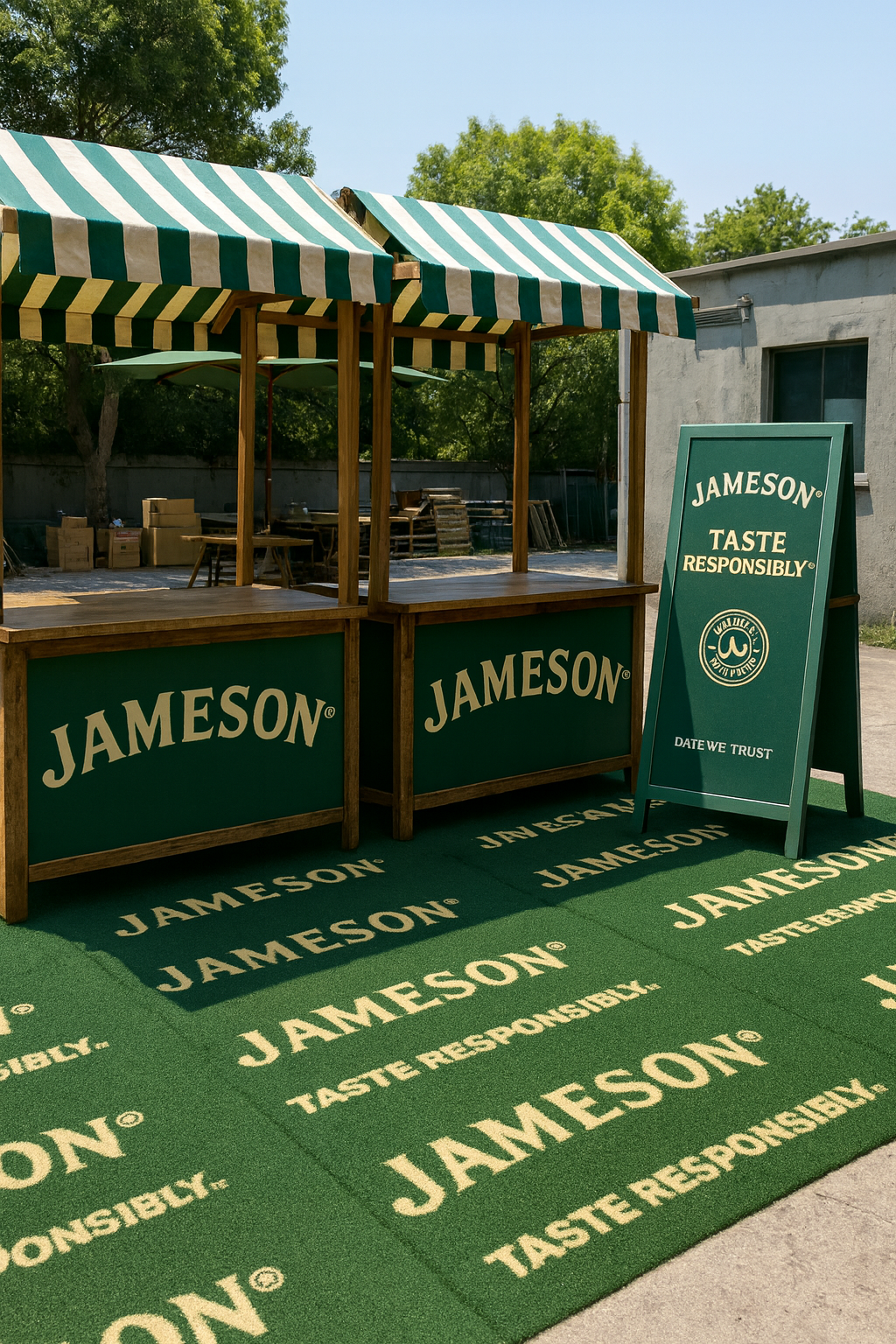
- Custom Logo Turf: Embedding gym or sponsor logos directly into sled push lanes.
- Color-Coded Zones: Black sled lanes, blue agility tracks, green recovery areas enhance multi-use gym turf layouts.
- Social Media Appeal: Branded turf improves visual impact, making gyms more shareable online.
👉 Investing in custom gym turf with branding not only improves training experience but also strengthens marketing visibility.
7.Conclusion & Buying Tips
When choosing HYROX turf, focus on fiber material, density, backing type, durability, and customization. For professional gyms and competition venues, the best option is PE fibers + medium/high density + PU/TPR backing.
Before purchasing, make sure to:
- Request samples for sled push/pull testing.
- Ask for lab test reports on abrasion resistance, tensile strength, and resilience.
- Consider your budget and branding needs (logo turf, color-coded zones, sponsor integration).
By choosing the right HYROX artificial grass, you’ll not only improve training and competition performance but also add long-term branding and marketing value to your facility.