Skip to content

1.Introduction
When researching gym turf myths, many buyers often wonder: Is thicker turf better? and Is black turf more durable than green turf? These are two of the most common misconceptions in the artificial turf buying guide. In reality, artificial turf thickness and color are not the main indicators of gym turf durability. Instead, performance depends on material, density, Dtex, and backing technology.
From CrossFit turf flooring to HYROX turf design, understanding the truth behind these myths will help gym owners choose custom gym turf that is functional, durable, and aligned with branding.
2.Myth 1 – The Thicker the Turf, the Better the Quality
(1)Why Buyers Believe “Thicker Is Better”
It’s natural to think that artificial turf thickness guarantees quality. Thicker turf looks cushioned and comfortable, leading many to assume it will last longer.
(2)What Actually Determines Turf Durability


- Fiber Material – PE for softness and resilience, PP for economy.
- Density (Stitch Rate) – Higher density ensures stability and better wear resistance.
- Dtex (Fiber Thickness) – Stronger yarn prevents fibers from flattening too quickly.
- Backing Technology – PU, latex, or TPR mesh backing affect moisture resistance and lifespan.


(3)Ideal Turf Thickness for Different Gym Areas
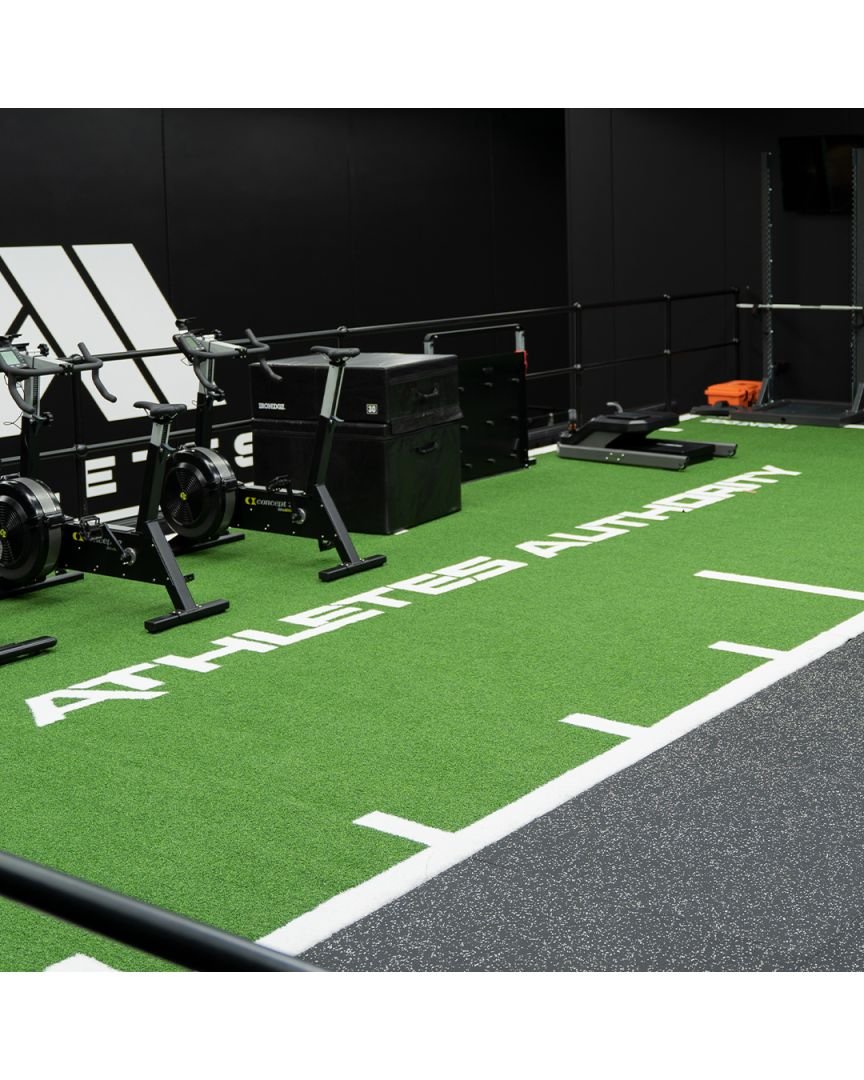


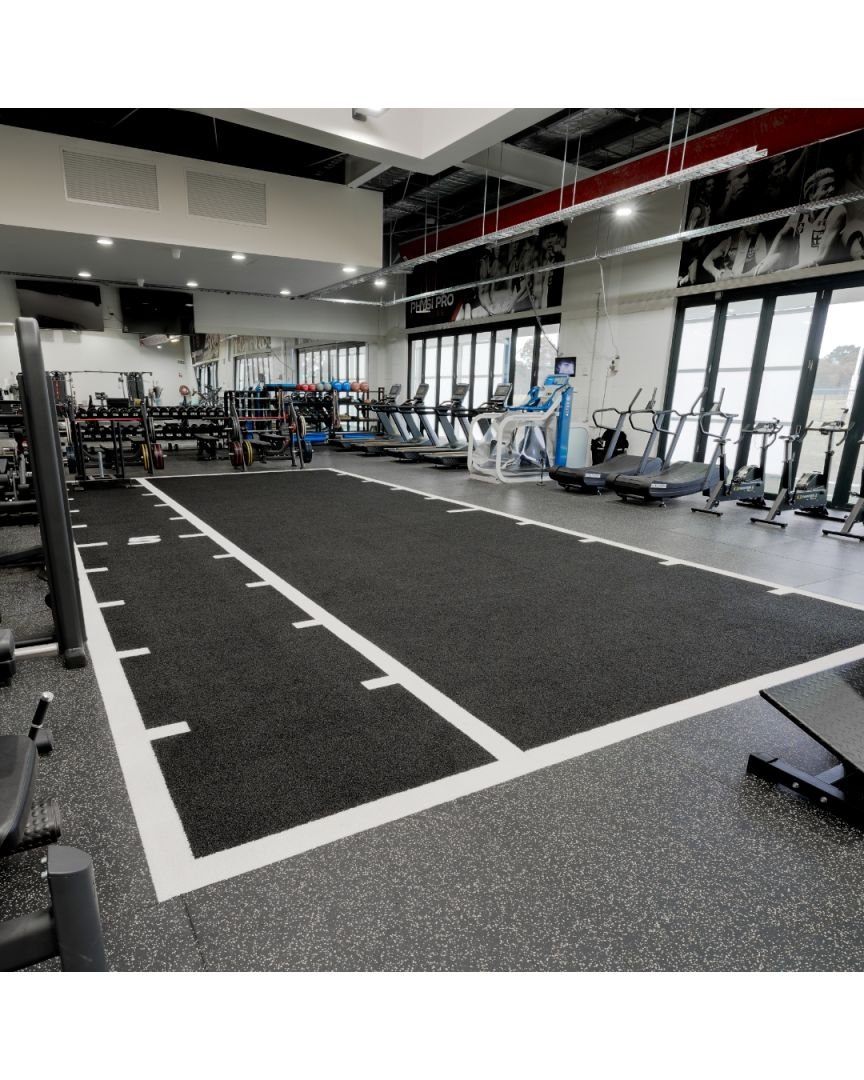
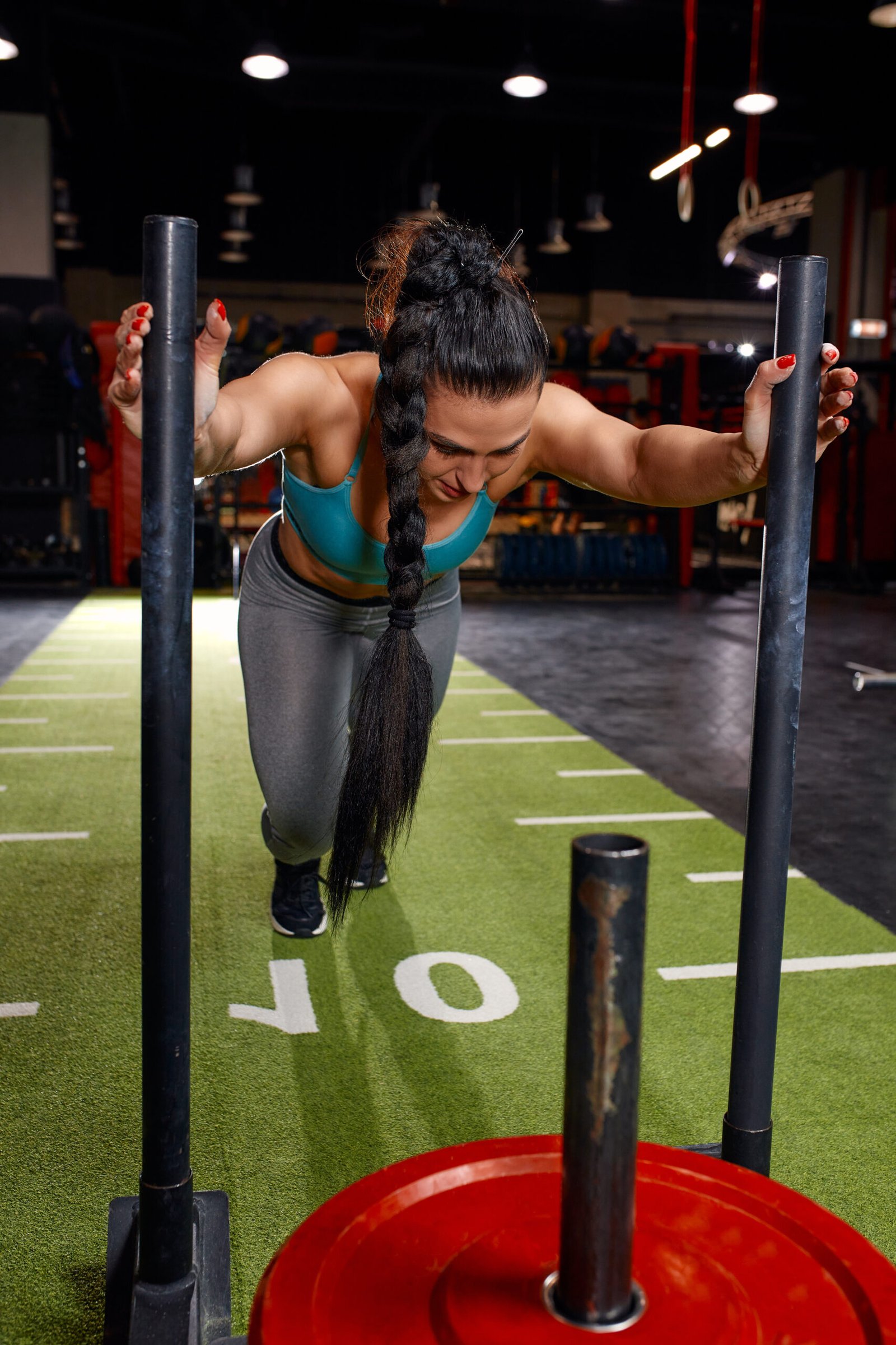
- Sled push turf lane: Low pile (10–15 mm) with high density, designed for smooth sled movement.
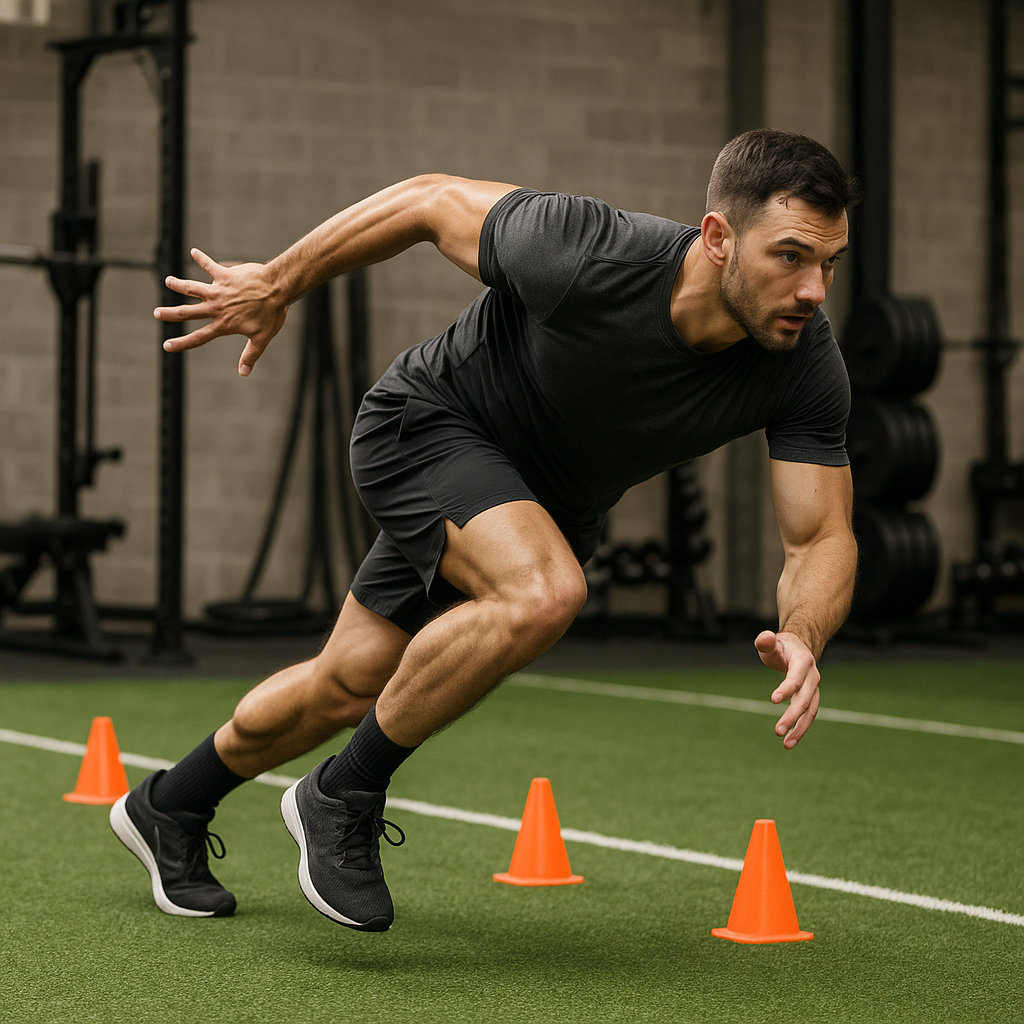
- Agility lane turf: Medium pile (15–20 mm) with durability for repeated sprints.
- Functional training turf: Balanced thickness to provide comfort and shock absorption.
3.Myth 2 – Black Turf Is More Durable Than Green Turf
(1)Why This Misconception Exists
Dark colors such as black turf often give the impression of strength and stain resistance, leading to the assumption that black turf vs green turf always performs better.
(2)The Reality: Color ≠ Durability
- Turf durability depends on fiber quality, density, and UV resistant gym turf technology—not color.
- Black turf absorbs more heat, which can cause faster aging in outdoor environments.
- Green turf performs equally well, especially with durable indoor turf options designed for gyms.
(3)Best Applications for Black vs Green Turf
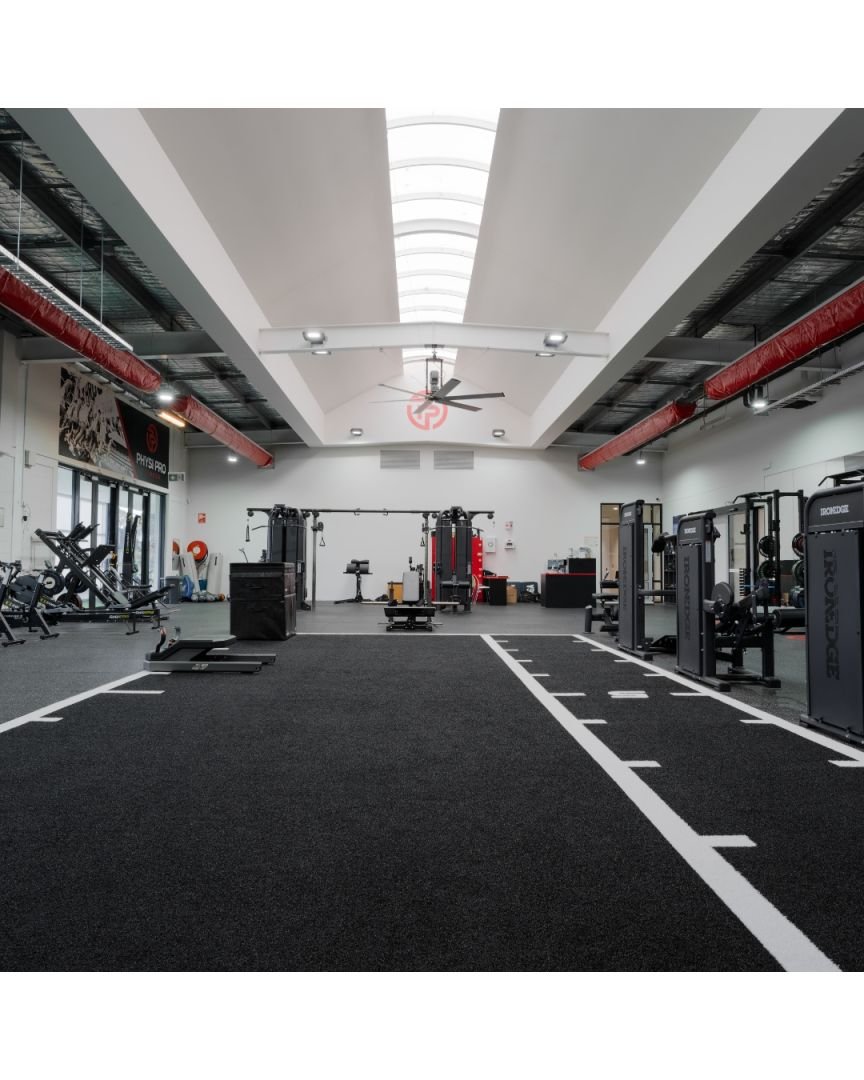
- Full black turf gym: Perfect for boutique studios and premium CrossFit boxes, offering a sleek and minimalist look.
- Green turf for gyms: Ideal for functional spaces that simulate outdoor fields and recovery zones.
4.Other Common Artificial Turf Misconceptions

- “All artificial turf is UV resistant” → Only UV resistant gym turf with certification can guarantee colorfastness.
- “Higher price always means better quality” → Cost may come from branded turf flooring or turf with logo customization, not just performance.
- “Installation doesn’t matter” → Glue-down installation ensures stability, while loose-lay options are more suited for temporary dual-color gym flooring setups.
5.How to Choose the Right Gym Turf Without Falling for Myths

- Review Technical Data – Look for abrasion resistance, rebound tests, UV stability, and colorfastness.
- Match Turf to Functional Needs – Select multi-color turf design for agility areas or sled push turf lane for sled work.
- Balance Budget & ROI – Don’t overspend on unnecessary pile height; invest in custom gym turf with branding for long-term marketing value.
- Work with Trusted Suppliers – Seek manufacturers offering ISO, SGS, or FIFA-certified artificial turf.
6.Conclusion: Make Informed Decisions About Gym Turf
Believing that thicker turf is always better or that black turf outlasts green turf is misleading. The truth is that gym turf durability depends on materials, density, and proper backing—not thickness or color.
By focusing on performance metrics and avoiding these gym turf myths, you can select premium gym flooring solutions that balance functionality, aesthetics, and brand identity. Whether you choose black turf vs green turf, or a dual-color gym flooring with sponsor logos, the right decision will transform your facility into a high-performance and visually iconic training space.