Skip to content

1.Introduction
With artificial grass becoming increasingly popular in sports fields, gyms, landscaping, and home decoration, artificial grass transportation has become a critical part of the supply chain. A well-designed artificial turf shipping solution not only ensures turf quality during transit but also helps reduce turf logistics costs and guarantees timely artificial grass delivery.
This guide explains the essential steps and precautions in the artificial grass transport process—from packaging and container loading to shipping methods, long-distance risks, and artificial grass customs clearance. It also answers common buyer questions to help avoid potential issues during international turf export logistics.
2.Pre-Transport Preparation: Packaging and Labels
- Packaging Methods: Common options include roll + film protection, woven bags, cardboard reinforcement, and palletized artificial turf shipping.
- Labels & Shipping Marks: Clear artificial turf packaging and transport labels, barcodes, and shipping marks ensure smooth logistics handling.
- Protective Measures: Moisture-proof film, woven bags, and cardboard edge protectors reduce turf long-distance shipping risks.
👉 Proper artificial grass packaging is the first step toward safe and cost-effective delivery.
3. Loading and Storage

- Container Plans: 20GP, 40GP, and 40HQ are common container sizes. Optimized turf container loading increases efficiency and lowers freight costs.
- Stacking Method: Rolls should be placed evenly to prevent fiber flattening and deformation.
- Storage Conditions: Turf must be stored in dry, ventilated warehouses to avoid moisture damage.
👉 A well-designed artificial grass container loading plan maximizes container capacity and reduces turf transport cost calculation.
4.Choosing the Right Shipping Method: Sea, Air, or Rail
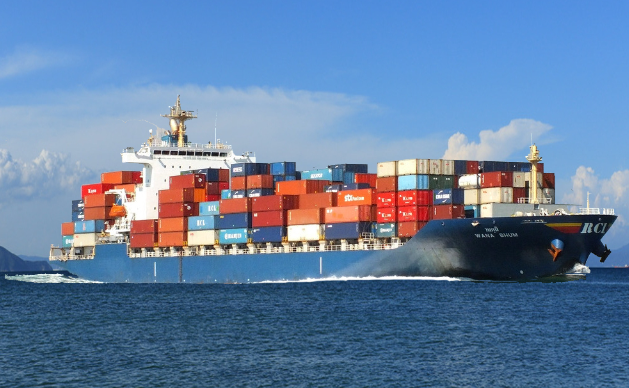
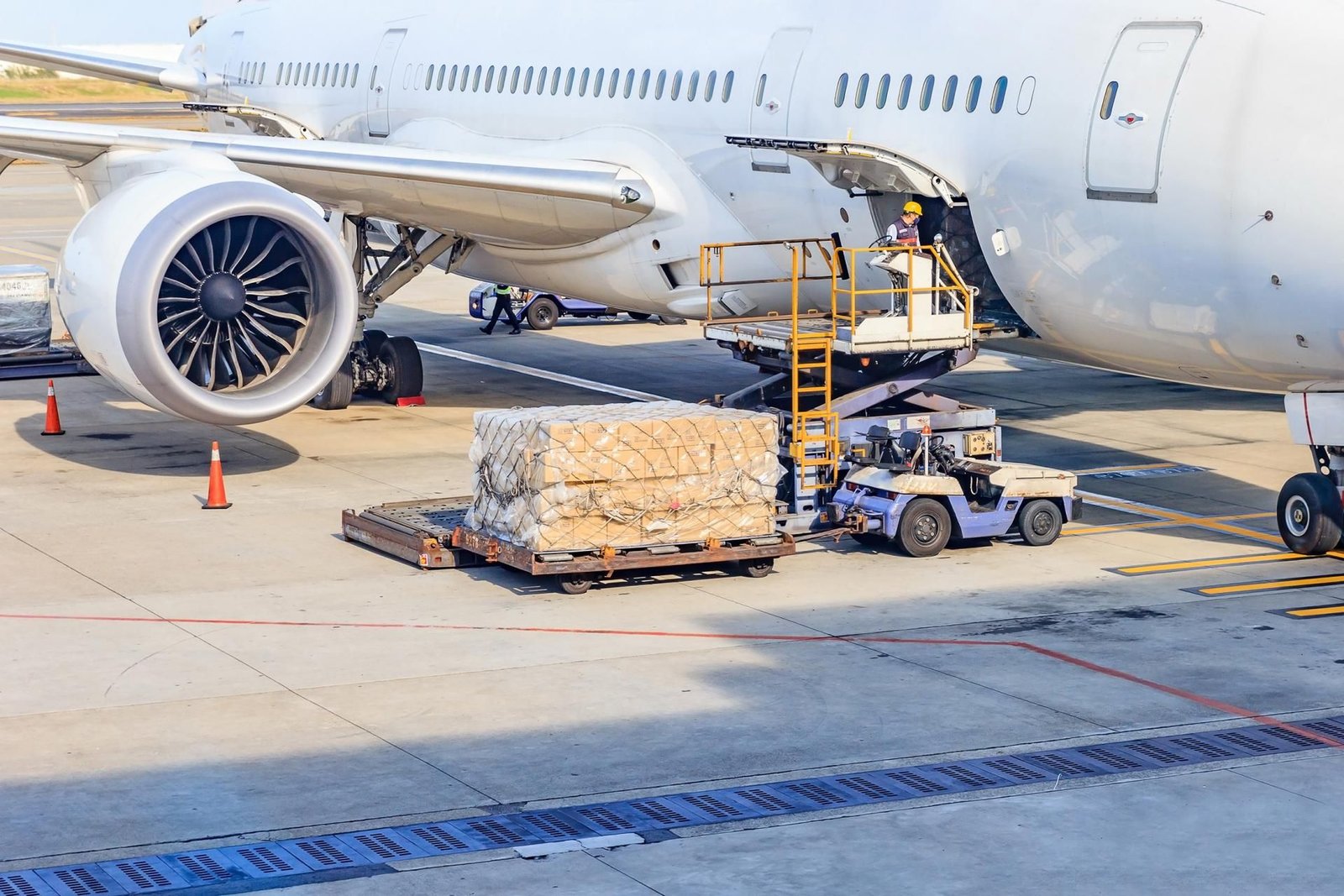
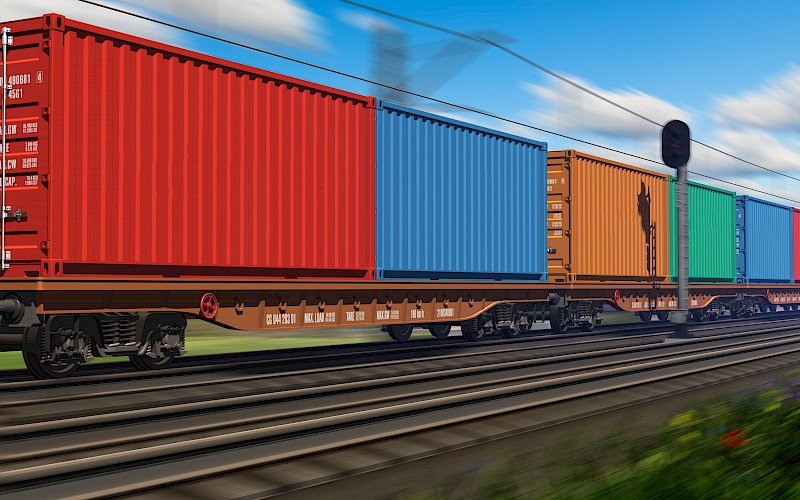
- Sea Freight: The most common export method for artificial grass; ideal for bulk shipments. Cost-effective but slower (20–45 days).
- Air Freight: Best for urgent shipments, samples, or small orders. Small order turf air freight is fast (3–7 days) but costly.
- Rail / Truck Transport: Practical for domestic or cross-border routes like China–Europe. Balanced in speed and cost.
👉 Buyers should select the best shipping method for artificial grass export depending on order size and delivery deadlines.
5. Long-Distance Transport Risks and Precautions


- Moisture Risk → Turf may mold → Use desiccants and moisture-proof film.
- Rough Handling Risk → Turf may deform → Use pallets and edge protection.
- Heat & Sunlight Risk → UV exposure may warp turf → Apply shading or UV-protective covers.
👉 Identifying artificial grass long-distance shipping risks early allows suppliers to implement eco-friendly turf transport solutions that also protect turf quality.
6.Export Shipping and Customs Clearance

- Required Documents: Commercial invoice, packing list, bill of lading, and turf export documentation like certificate of origin.
- Customs Compliance: Many countries require turf to meet environmental or fire-safety standards.
- Buyer Tips: Confirm artificial grass customs requirements before shipping to avoid delays.
7.Frequently Asked Questions (FAQ)
- How long does artificial grass transportation take?
- Sea freight: 20–45 days, air freight: 3–7 days, rail: 10–20 days. (Search: artificial grass shipping time)
- Will turf deform during long-distance transport?
- Not if palletized artificial turf shipping with moisture-proof protection is used.
- Can small orders be shipped by air freight?
- Yes, small order turf air freight is common for urgent or sample orders.
- Is transport insurance necessary?
- Yes, turf transport insurance is recommended for bulk turf export shipments.
- What documents are required for turf export?
- Buyers need turf export documentation such as invoice, packing list, and certificate of origin.
8.Conclusion and Buyer Recommendations
Different artificial grass transportation methods suit different needs:
- Roll packaging → Short-distance delivery.
- Cardboard / palletized turf shipping → Long-distance export.
- Air freight → Samples and urgent deliveries.
- Sea freight → Bulk shipments at lower cost.
When planning international turf shipping solutions, buyers should consider:
- Packaging strength and moisture protection.
- Optimized turf container loading capacity.
- Cost vs. delivery time for sea, air, or rail transport.
- Accurate artificial grass customs clearance documentation.
By selecting the right turf transport solutions, businesses can protect turf quality, minimize logistics costs, and ensure safe and timely delivery.