Skip to content

1.Introduction
As demand for artificial grass packaging grows in sports fields, gyms, landscaping, and residential projects, proper artificial turf packaging has become a critical factor for both suppliers and buyers. The right turf packaging solutions not only protect rolls during long-distance transport but also reduce turf transport cost and enhance brand presentation.
This guide explores the most common artificial grass packaging methods—from roll packaging and cartons to palletized solutions and eco-friendly options. We also share tips for turf packaging for export, container loading, and answer common buyer FAQs.
2. Basic Packaging: Roll + Film Protection

The most widely used method is artificial grass roll packaging with protective film:
- Advantages: Prevents dust and moisture, simple and cost-effective.
- Best Use Cases: Domestic deliveries, short-distance transport, or standard artificial grass shipping.
- Limitations: Not ideal for long-distance turf packaging for export, as rolls may deform under heavy pressure.
3. Enhanced Packaging: Woven Bags and Cardboard Protection
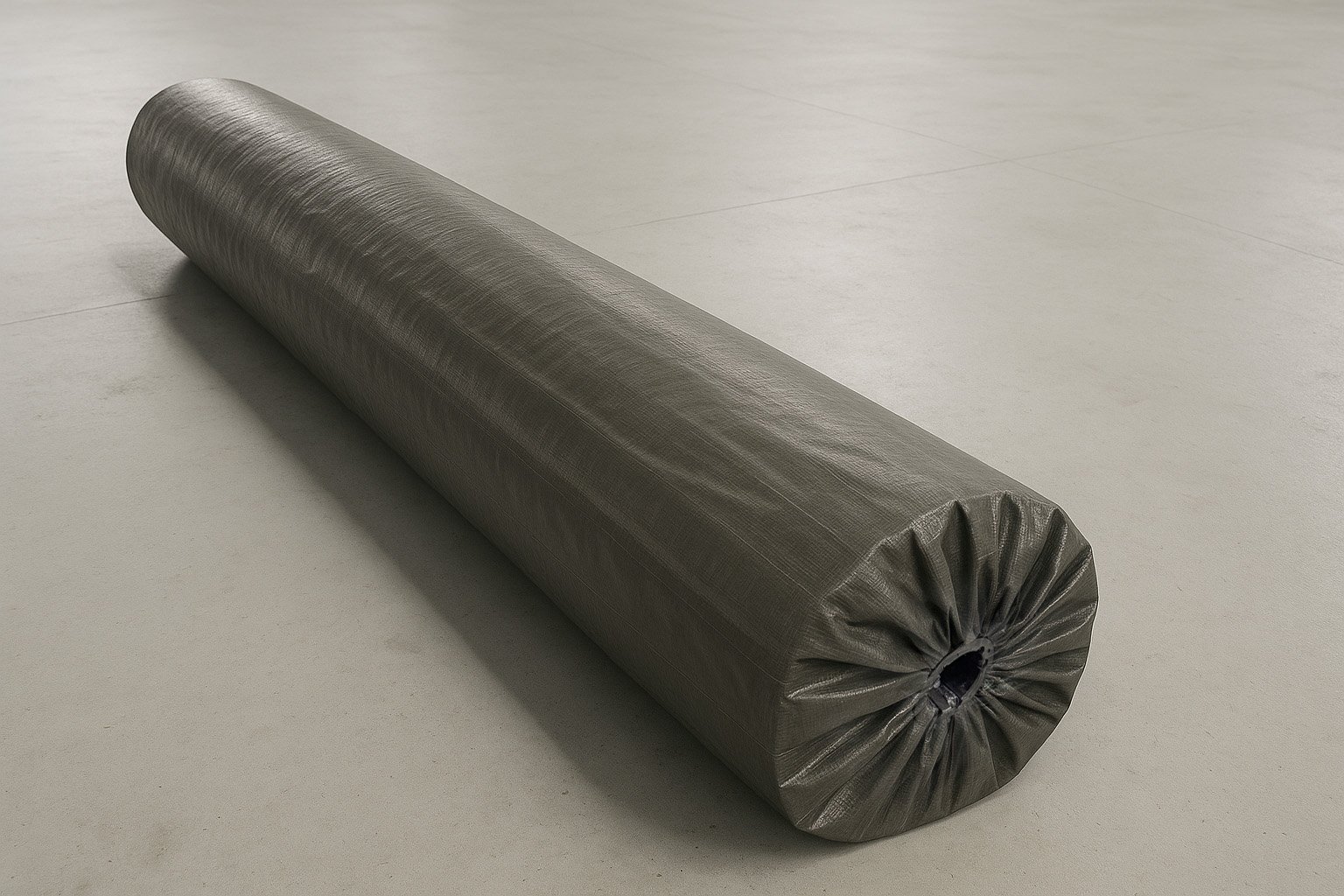
To strengthen protection, suppliers often add woven bags or cardboard:
- Woven Bags: Tear-resistant and waterproof, ideal for humid climates.
- Cardboard / Paper Tubes: Prevent turf ends from crushing during long-distance shipping.
- Best Use Cases: International orders requiring durable artificial grass packaging solutions.
4. Carton Packaging: Color Boxes vs. Kraft Cartons

Some buyers request carton-based packaging, especially for turf packaging customization:
- Color Cartons: Great for retail sales, enhance brand visibility.
- Kraft Cartons: Strong compression resistance, cost-effective, ideal for wholesale and turf packaging for export.
- Combination: Color carton inside + kraft carton outside → improves durability while maintaining branding.
5. Palletized Packaging: Best for Bulk Export

For bulk shipments, palletized artificial grass packaging is the best solution:
- Turf rolls are stacked on pallets, wrapped with stretch film, and secured with straps.
- Advantages: Enables forklift handling, optimizes artificial grass container loading capacity, reduces risk of damage.
- Best Use Cases: Sea freight, railway transport, and large-scale international orders.
6. Packaging Details and Protection Measures
Key protective measures in artificial turf packaging include:
- Moisture-Proof Film & Desiccants: Prevent mold during sea transport.
- Double Labels & Reinforced Tape: Ensure artificial turf label and shipping mark remain intact.
- Edge Protection: Cardboard protectors safeguard turf ends from deformation.
7. Sustainable and Eco-Friendly Packaging Trends
With increasing demand for eco-friendly artificial grass packaging, many suppliers are shifting toward greener solutions:
- Recyclable wrapping film and woven bags.
- Paper-based cartons to replace excess plastic.
- Adoption of sustainable turf logistics, such as carbon footprint tracking for exports.
👉 Buyers in Europe and North America often prefer suppliers who provide eco-friendly turf packaging solutions.
8. Frequently Asked Questions (FAQ)
- What is the most common artificial grass packaging method?
→ Turf rolls with protective film, sometimes combined with woven bags or cartons. - Will turf deform during long-distance transport?
→ No, if palletized artificial turf and moisture-proof film are used properly. - Which packaging is best for export to Europe or the US?
→ Turf pallet shipping with kraft cartons ensures compliance and safety. - Can packaging size, logo, and labels be customized?
→ Yes, many suppliers offer turf packaging customization options. - Are eco-friendly packaging solutions available?
→ Yes, eco-friendly artificial grass packaging is a growing trend.
9.Conclusion
Different artificial grass packaging methods serve different needs:
- Roll + Film → Suitable for short-distance transport.
- Woven Bags / Cardboard → Best for long-distance and humid environments.
- Cartons → Enhance branding and protection for retail and export.
- Palletized Packaging → The most efficient choice for bulk international shipments.
When selecting artificial turf packaging for export, consider transport distance, shipping costs, packaging customization, and eco-friendly options. The right packaging not only ensures product quality but also reduces logistics costs and strengthens brand credibility.