Skip to content
Do You Need to Remove Existing Grass Before Installing Artificial Grass? Here’s the Real Answer
One of the most common questions homeowners ask before installing artificial grass is:
“Do I need to remove the existing natural grass first?”
While some online guides claim that removal is optional, the professional answer is:
✔ Yes — in most cases, you MUST remove the existing grass before installation.
This article explains why removal is necessary, when exceptions apply, what problems occur if you skip this step, and how to correctly prepare your base for long-term performance.
1. Why You Should Remove Existing Grass Before Installing Artificial Grass
Installing turf directly over natural grass may seem convenient, but it causes multiple long-term issues. Below are the four main reasons professionals always recommend removing it.
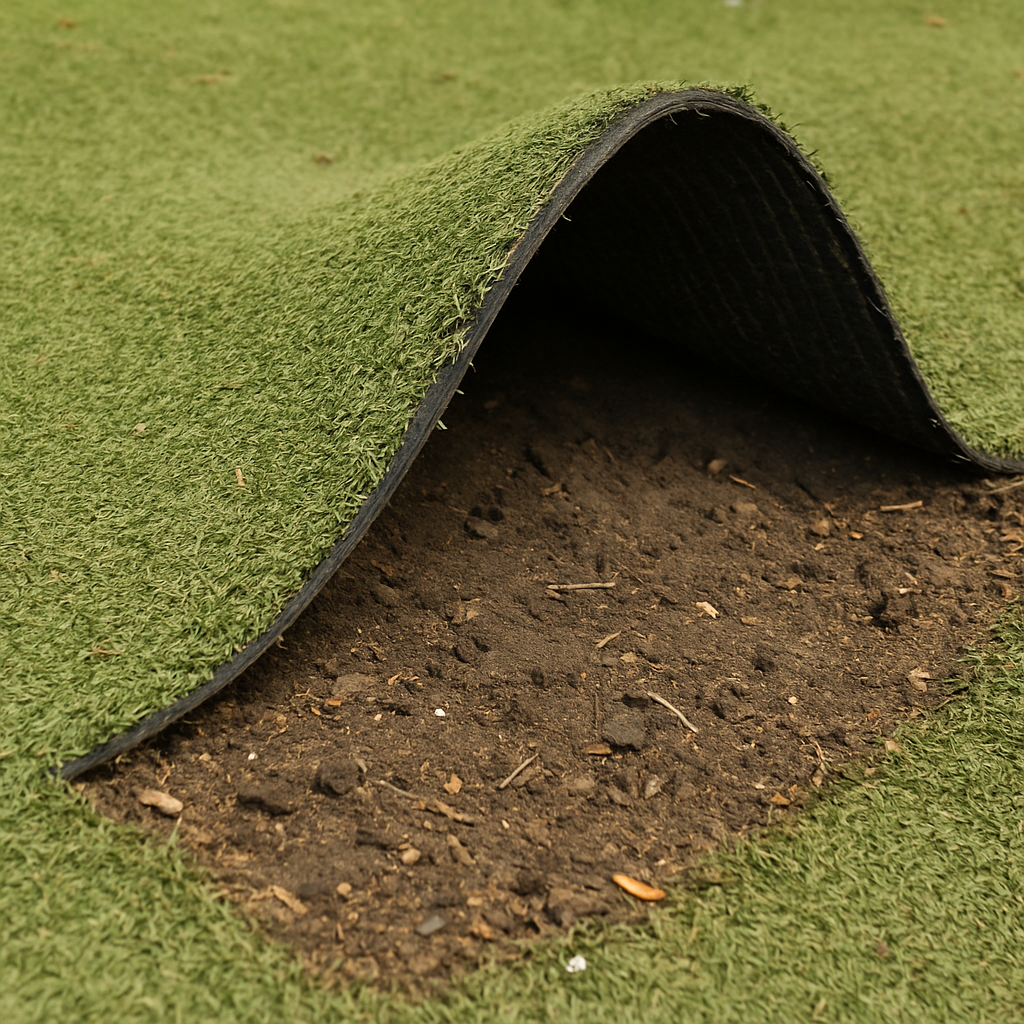
(1) Natural grass decays and causes sinking or bumps

Once turf covers natural grass, the roots and soil beneath will:
- Decompose
- Shrink
- Break down unevenly
This leads to:
- Surface sinking
- Uneven areas
- Ripples and bumps
And once this happens, the only solution is expensive removal and reinstalling.
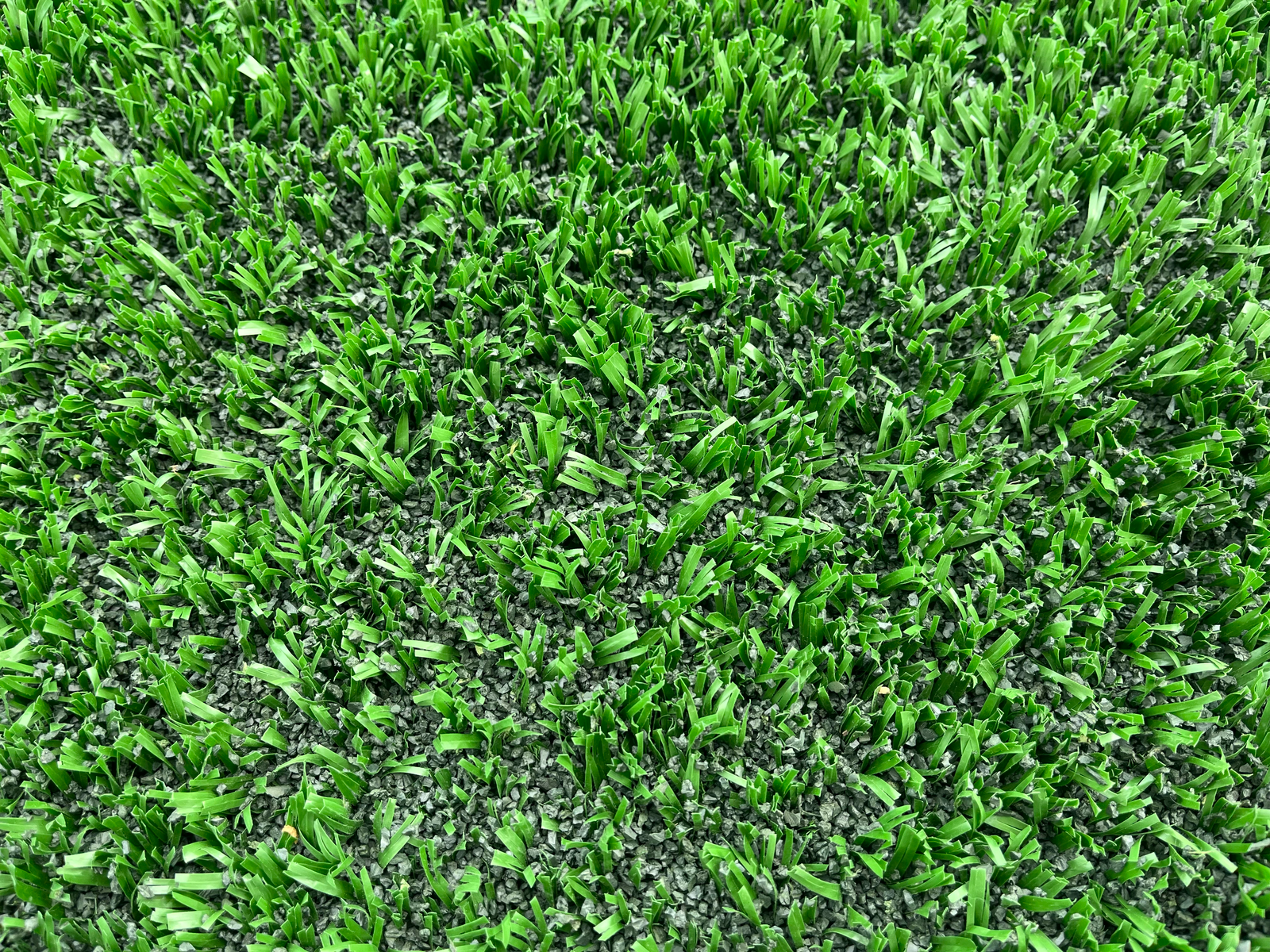
(2) Grass and weeds can grow through artificial turf
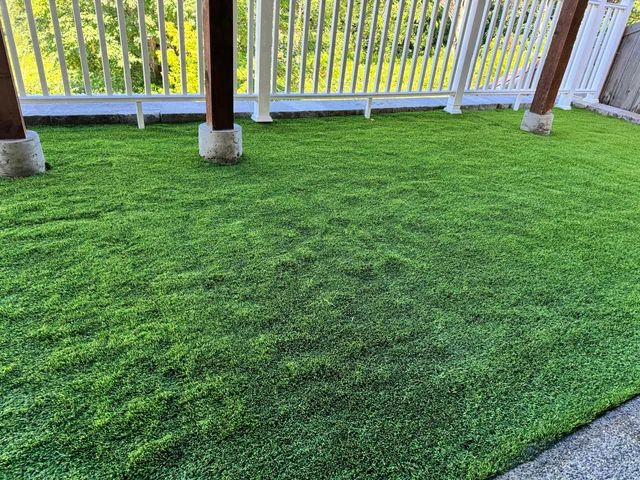
If old roots or seeds remain, they may:
- Push up the turf
- Create visible bumps
- Grow through seams or drainage holes
This ruins the look and stability of your installation.
(3)Natural soil is unstable and not suitable as a turf base
Soil expands and contracts due to moisture and temperature changes.
This results in:
- Shifting
- Soft spots
- Uneven surfaces
A proper crushed rock base is required to achieve:
- Support
- Drainage
- Long-term flatness
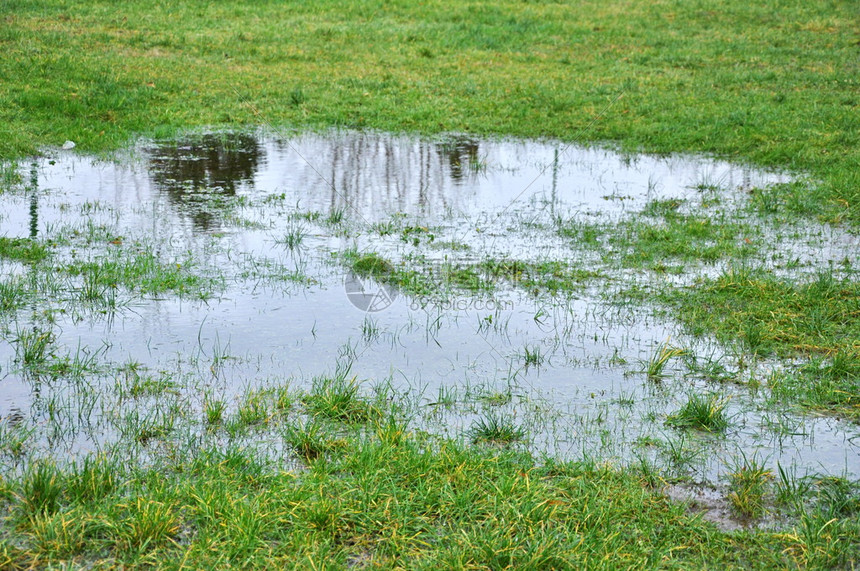
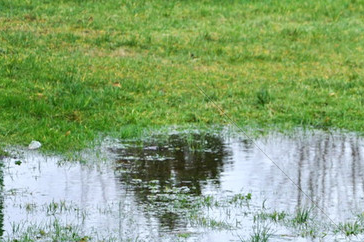
(4)Poor drainage leads to puddles, odor, and bacteria

Installing turf on soil or natural grass causes:
- Water pooling
- Slow drainage
- Urine or organic matter buildup
- Unpleasant odor
Proper base work is essential to avoid these problems.
2. When You Might Not Need to Remove the Existing Grass (Rare Exceptions)
There are only a few limited cases where removal may not be required:
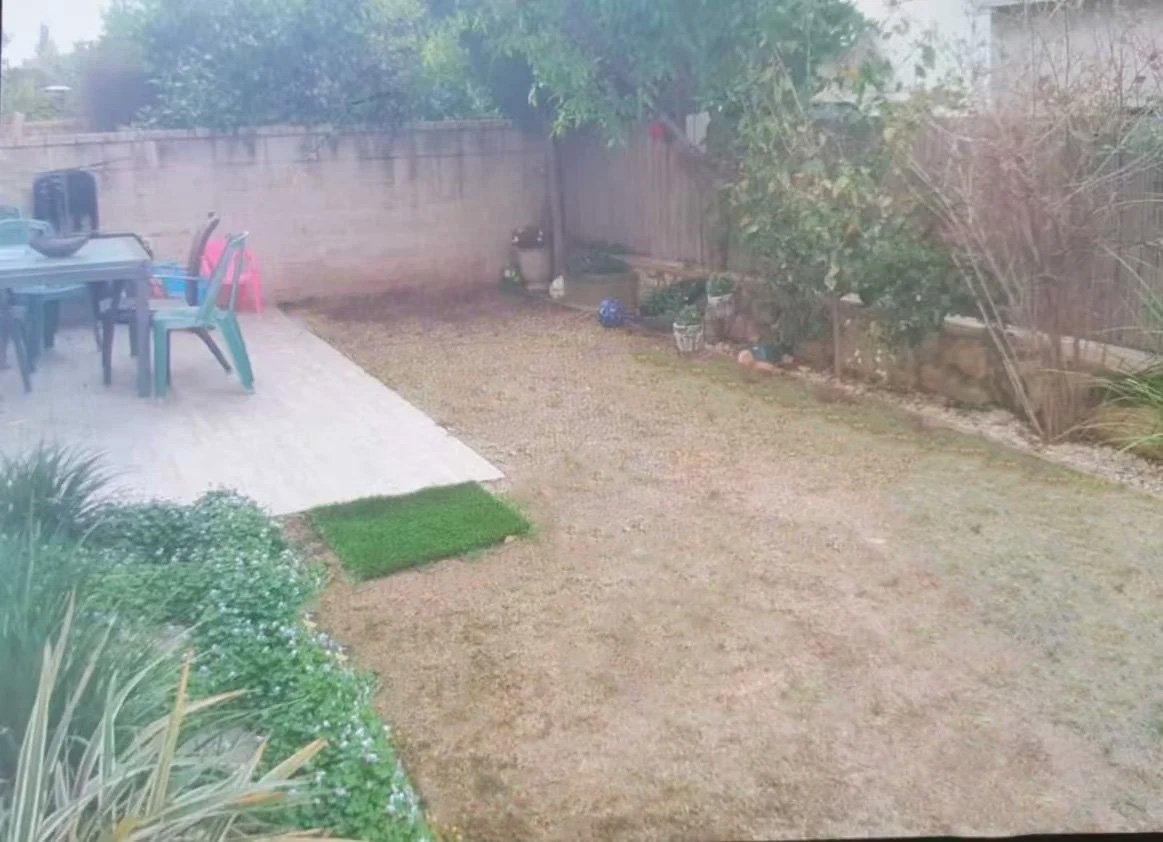
(1)The grass is extremely thin or almost bare soil
If the lawn is already dead or sparse, removal may not make a difference.
(2)The soil is very hard, compacted, and drains well
Even then, professionals recommend at least adding a crushed rock layer.
3.What Happens If You Install Artificial Grass Without Removing the Old Grass? (Common Problems)
Skipping grass removal almost always leads to issues:

4.The Correct Way to Prepare the Ground for Artificial Grass (Professional Method)
Below is the industry-standard method used by professional installers worldwide:

(1)Remove the existing grass and topsoil (3–10 cm)
Clear out:
- Roots
- Soil
- Old sod
- Organic matter
(2) Remove debris, stones, and tree roots
Ensures no future bumps or uneven surfaces.
(3)Install a crushed rock base
This layer provides:
- Drainage
- Stability
- Long-term flatness
The crushed rock should be compacted thoroughly.
(4)Add a sand layer and compact it
Creates a smoother surface for turf installation.
(5) Install a weed membrane
Prevents future growth of weeds or grass.
(6)Lay the artificial grass, seam, trim, and secure
Complete the final installation process for a perfect finish.
5.Comparison: Removing vs. Not Removing Old Grass
| Feature | Without Removing Grass | With Proper Removal |
| Surface smoothness | Poor | Excellent |
| Drainage | Slow | Fast & efficient |
| Weed control | Weak | Strong |
| Appearance | Uneven | Professional |
| Longevity | Short | Long (8–12 years) |
6.FAQ: Common Questions About Grass Removal
Q1: Does removing grass increase installation cost?
Yes, but it prevents costly repairs later.
Q2: How deep should the removal be?
Typically 3–10 cm depending on soil condition.
Q3: Can turf be installed directly on soil?
Not recommended. You need a compacted base.
Q4: Is weed membrane optional?
Not for long-term installations—it’s essential.
7.Conclusion: Removing Existing Grass Is Essential for a Perfect Installation
To ensure your artificial grass installation is:
- Smooth
- Durable
- Stable
- Well-draining
- Weed-free
- Long-lasting
The best practice is always to:
✔ Remove the existing natural grass and build a proper base layer.
This is the industry standard followed by all professional installers and the key to a premium, long-lasting artificial turf system.