Skip to content
Artificial grass is now widely used for landscaping, playgrounds, sports fields, and fitness flooring. With demand growing fast, many buyers turn to direct artificial turf suppliers. But the process can be risky—this artificial grass buying guide reveals the most common pitfalls: low-price traps, fake specifications, and artificial grass delivery delays.
By understanding these artificial grass pitfalls, you can avoid costly mistakes and choose a reliable supplier that delivers both quality and performance.
1.Pitfall 1 – The Low-Price Trap
(1)Why cheap is tempting
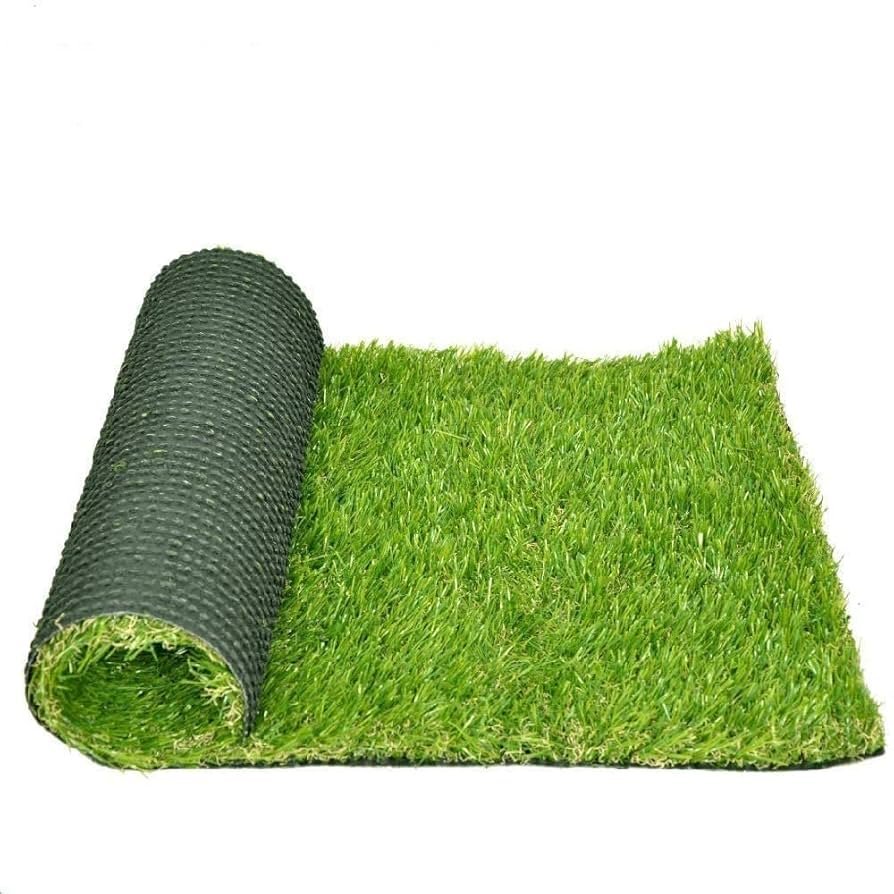
For large projects, buyers often compare multiple artificial grass suppliers and are drawn to the lowest quote. This low price artificial grass trap promises short-term savings but often hides long-term costs.
(2)What suppliers cut to lower cost

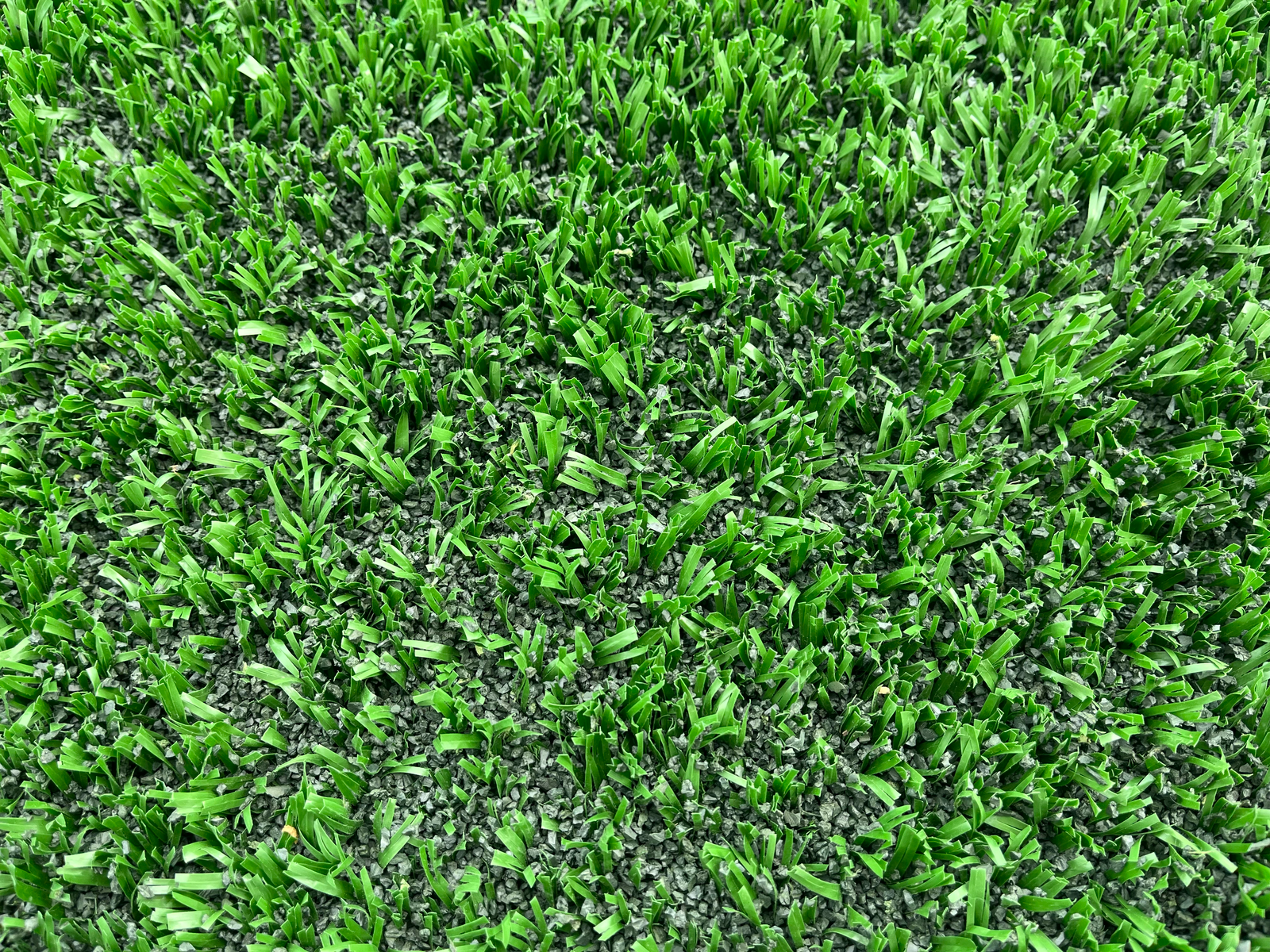
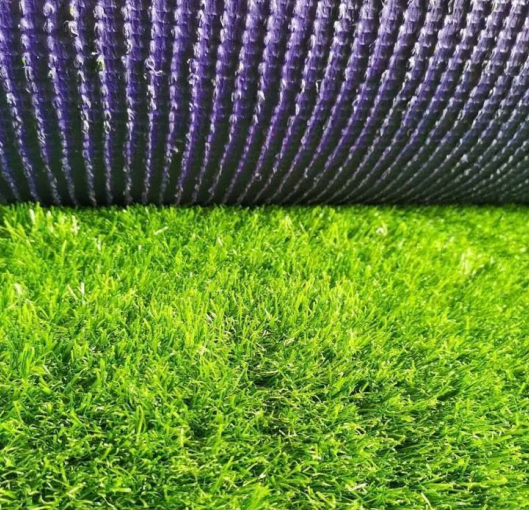
(3)Real risks for buyers

These shortcuts lead to:
- Faster wear and tear.
- Artificial turf fading within months.
- Replacement costs that outweigh the savings.
👉 Case Comparison: Cheap turf vs. certified turf after six months shows flattening, fading, and seam failures.
2.Pitfall 2 – Fake or Misleading Specifications
(1)Common fake specs to watch for
Some artificial turf supplier risks include inflating numbers or showing fake artificial turf parameters. Typical tricks are:
- Exaggerated stitch rate and density.
- False Dtex values to mislead buyers.
- Fake turf certifications that cannot be verified.
(2)How to spot fake specifications
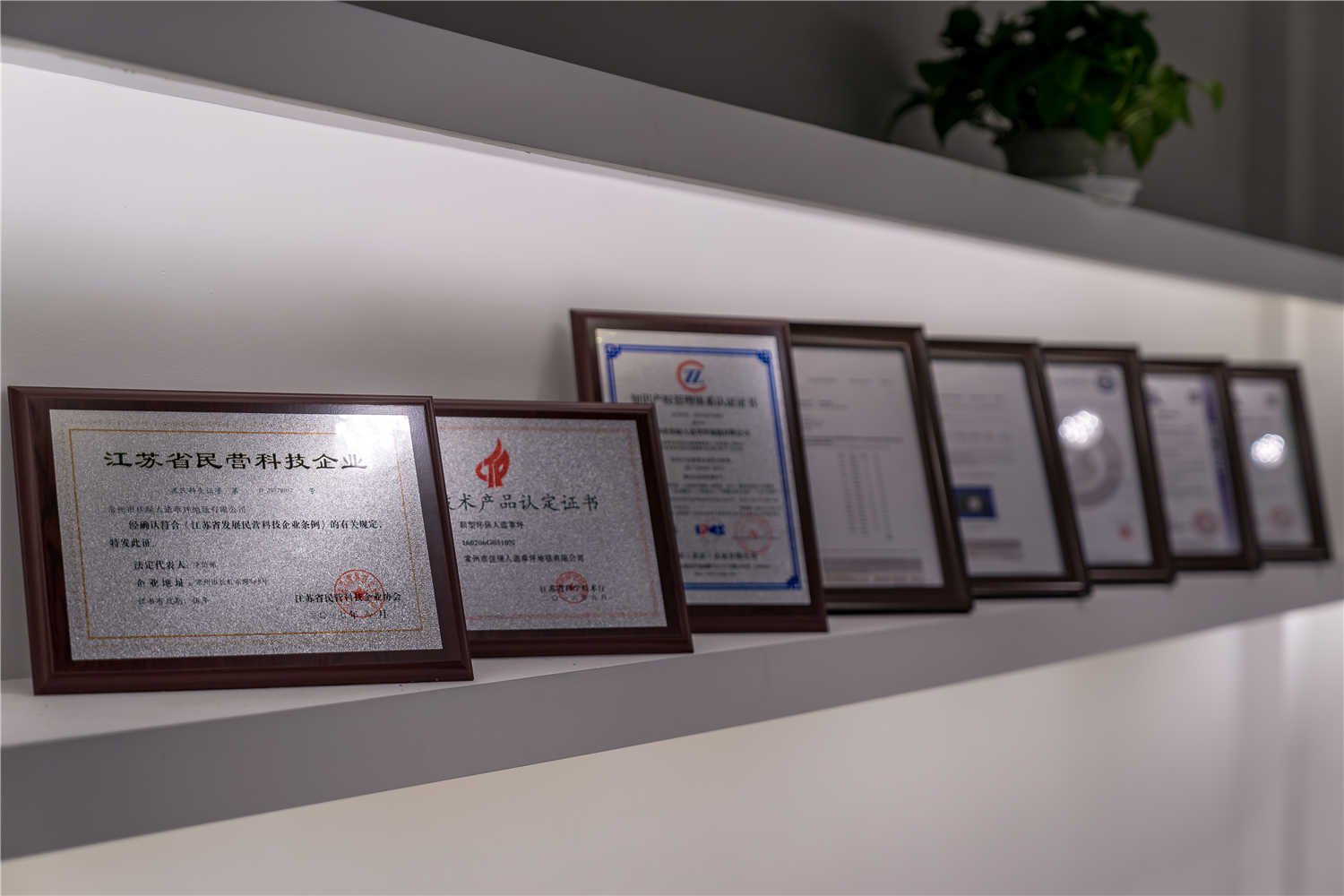
- Inspect samples carefully.
- Request lab test reports (ISO, SGS).
- Use third-party audits before finalizing.
(3)Buyer checklist
Every buyer should verify:
- Fiber Dtex, pile height, and stitch density.
- Backing material quality.
- Real certifications (ISO, SGS, FIFA, CE).
👉 Suggested Chart: Real vs. fake turf specs comparison (density, Dtex, stitch rate).
| Comparison item | Real | Fake |
|---|---|---|
| Stitches | xxxx | xxxx |
| Density | xxxx | xxxx /m² |
| Fiber Thickness | xxxx | xxxx Dtex |
3.Pitfall 3 – Delivery Delays
(1)Why delays happen

Even high-quality turf can cause problems if delivery is late. Common reasons for late turf delivery include:
- Overbooked factory schedules.
- Shortage of raw materials.
- Weak supplier planning.
(2)Buyer risks

- Missed project deadlines.
- Extra cost due to extended labor and rentals.
- Damaged reputation if projects open late.
(3)How to prevent artificial grass supplier problems

- Set clear contract clauses for turf delivery.
- Use milestone payments tied to production.
- Keep a backup supplier strategy.
👉 Suggested Graphic: Timeline showing promised vs. actual turf delivery.
4.How to Avoid These Pitfalls: Buyer’s Guide
To avoid the risks of cheap artificial grass and unreliable suppliers, follow these steps:
- Work only with certified artificial turf suppliers with proven track records.
- Confirm artificial grass quality checklist items before signing.
- Always request turf samples and test them.
- Add penalties for late delivery in contracts.
- Choose suppliers who explain artificial grass density vs. price transparently.
5.Conclusion: Buy Smart, Avoid Risk
This artificial grass buying guide shows that:
- Cheap artificial grass risks outweigh the savings.
- Fake turf specs create long-term project hazards.
- Artificial grass supplier problems like delivery delays can ruin deadlines.
Smart buyers focus on:
- Reliable, certified suppliers.
- Quality materials and real specifications.
- Contracts that protect against supplier risks.
By knowing these artificial grass pitfalls, you can buy smarter, avoid risk, and ensure long-lasting project success.